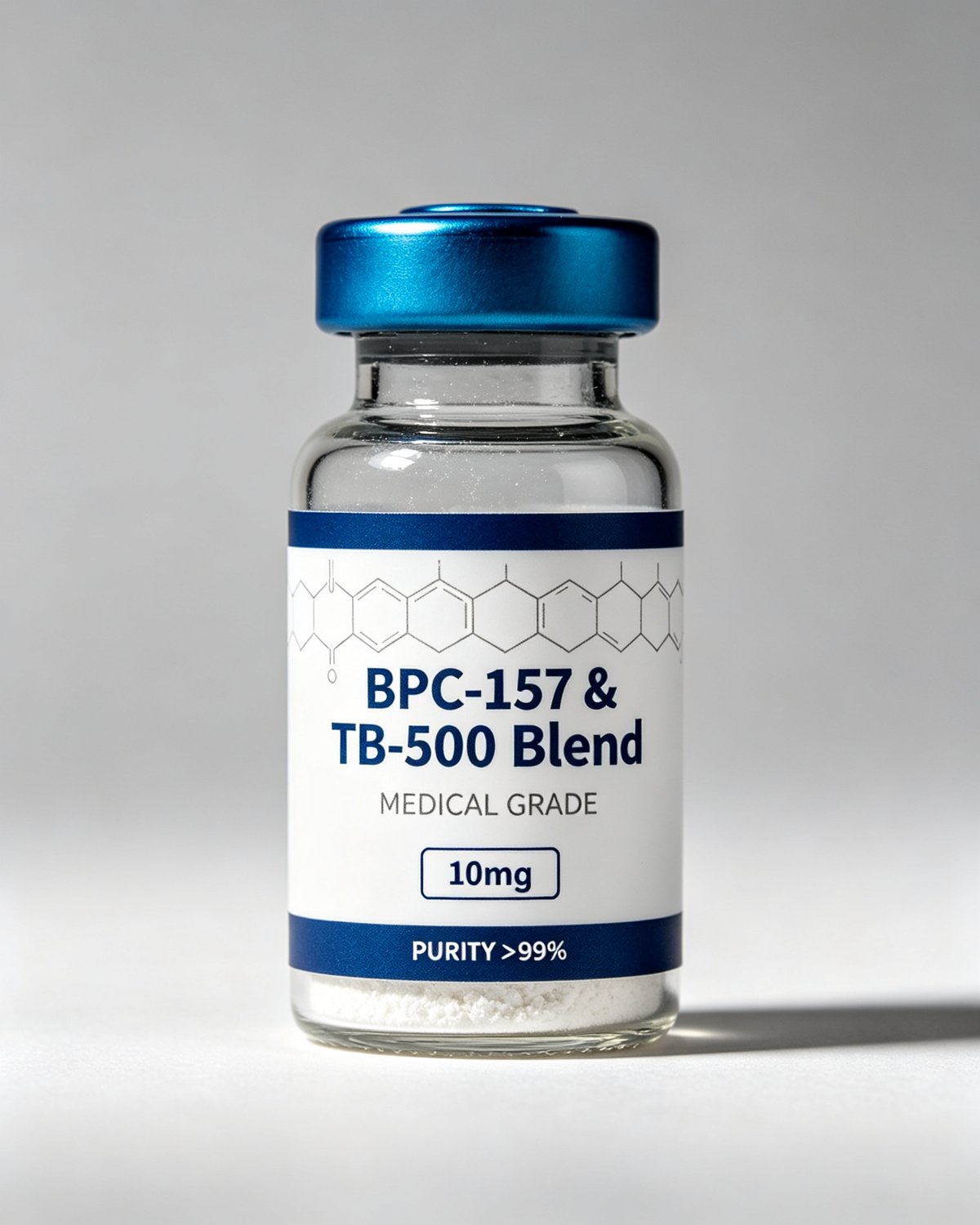
BPC-157 & TB-500 & GHK-Cu Blend (70mg) is a pre-weighed blend of BPC-157 10mg and TB-500 10mg and GHK-Cu 50mg for laboratory research, HPLC-MS verified above 99% purity.
Wholesale pricing —minimum 1 box (10 vials)
Size
Per Box (10 vials)
70mg
$163.90
Sold by the box —1 box = 10 vials. Per-vial reference price shown for comparison only.
Blend BPC-157 + TB-500 + GHK-Cu (70mg): A Triple-Action Synergistic Peptide Combination for Comprehensive Tissue Repair, Wound Healing, Musculoskeletal Recovery, Anti-Aging/Skin Regeneration, and Anti-Inflammatory Protection — Combining the Gastric Cytoprotective Peptide BPC-157, the Actin-Regulating Thymosin Beta-4 Fragment TB-500, and the Copper-Binding Tripeptide GHK-Cu for Complementary Healing and Regenerative Mechanisms
The BPC-157 + TB-500 + GHK-Cu blend (70mg total per vial) is a powerful triple-action peptide combination that brings together three of the most widely researched tissue repair, healing, and anti-aging peptides: BPC-157 (Body Protection Compound-157, a 15-amino acid pentadecapeptide derived from a protective protein found in human gastric juice), TB-500 (a synthetic 43-amino acid peptide fragment of thymosin beta-4 [Tβ4], an actin-sequestering protein central to cell migration, angiogenesis, and tissue regeneration), and GHK-Cu (glycyl-L-histidyl-L-lysine copper complex, a 3-amino acid tripeptide that naturally occurs in human plasma and saliva, known for its potent anti-aging, skin-regenerative, wound-healing, and anti-inflammatory effects, as well as its ability to modulate over 4,000 human genes). This 70mg blend vial typically contains a ratio of the three peptides (commonly ~20mg BPC-157 + ~20mg TB-500 + ~30mg GHK-Cu, or other proportions — users should verify the exact ratio from their supplier's Certificate of Analysis). The rationale for combining these three peptides is that they work through complementary and synergistic mechanisms that cover an exceptionally broad spectrum of tissue repair, regeneration, and anti-aging pathways: BPC-157 primarily acts through the NO-agranulocyte system, VEGF/angiogenesis pathways, and dopaminergic/serotonergic modulation (strong GI healing, tendon/ligament repair, neuroprotection, systemic cytoprotection); TB-500 primarily acts through actin sequestration/regulation (potent cell migration, angiogenesis, wound healing, NF-κB anti-inflammation, cardiac repair); and GHK-Cu primarily acts through copper chelation/delivery, gene expression modulation (upregulating ~4,000 genes including collagen, elastin, antioxidant enzymes, and growth factors; downregulating ~1,500 genes including pro-inflammatory cytokines and fibrosis genes), antioxidant effects (Cu/Zn SOD activation), and stem cell activation (strong skin/hair regeneration, wound healing, anti-aging, anti-inflammatory, bone repair). Together, these three peptides cover tissue repair (BPC-157 + TB-500), anti-aging/skin regeneration (GHK-Cu), angiogenesis (all three via different pathways), anti-inflammation (all three via different pathways), and gene expression modulation (GHK-Cu), making this triple blend one of the most comprehensive tissue-repair and regenerative peptide combinations available. The research-grade BPC-157 + TB-500 + GHK-Cu blend supplied by Amideworks is intended for laboratory and investigational use only, not for human consumption or therapeutic use[1][2][3][4][5][6][7][8][9][10].
The Three Peptides: Individual Roles and Synergistic Interactions
BPC-157 (Body Protection Compound-157): The Systemic Cytoprotector and Musculoskeletal/GI Healer. BPC-157 is a 15-amino acid pentadecapeptide (sequence: Gly-Glu-Pro-Pro-Pro-Gly-Lys-Pro-Ala-Asp-Asp-Ala-Gly-Leu-Val, GEPPPGKPADDAGLV, MW 1,419 Da) originally isolated from a protective protein found in human gastric juice. It has been extensively researched for over 25 years, with more than 300 preclinical studies demonstrating its broad therapeutic effects. BPC-157's primary mechanisms include: (a) NO-agranulocyte system activation — BPC-157 activates the nitric oxide (NO) system, producing vasodilation, increased blood flow, and cytoprotection; this is one of its core mechanisms, and its effects are often blocked by NO synthase inhibitors (L-NAME), confirming NO dependence; (b) VEGF/angiogenesis upregulation — BPC-157 upregulates vascular endothelial growth factor (VEGF) and other angiogenic factors, promoting new blood vessel formation and tissue perfusion; (c) growth factor modulation — BPC-157 modulates TGF-β, FGF, PDGF, and other growth factors involved in tissue repair; (d) dopaminergic/serotonergic neurotransmitter modulation — BPC-157 modulates the dopamine and serotonin systems, which may underlie some of its neuroprotective and mental health effects; (e) systemic cytoprotection — BPC-157 protects multiple organs (liver, kidney, heart, brain, GI tract) from various insults (toxins, ischemia, trauma, inflammation). BPC-157's key strengths include: GI healing (gastric/duodenal ulcers, IBD [Crohn's, UC], fistulas, esophagitis, NSAID-induced damage, intestinal anastomosis healing — one of its strongest areas), tendon/ligament repair (Achilles tendon, MCL, rotator cuff, patellar tendon, plantar fasciitis — extensive preclinical data), muscle recovery (muscle tears, strains, contusions, DOMS), neuroprotection/neuroregeneration (stroke, TBI, spinal cord injury, peripheral nerve injury, neuropathic pain, neurodegenerative diseases, depression/anxiety/substance abuse), bone healing (fractures, stress fractures, bone defects), and cardiac protection (arrhythmias, heart failure, post-MI). In the triple blend, BPC-157 provides the strong systemic cytoprotection, GI/tendon/neuro healing, and NO/VEGF angiogenesis that form the foundation of tissue repair[1][3][5][6][8].
TB-500 (Thymosin Beta-4 Fragment): The Cell Migration and Angiogenesis Powerhouse. TB-500 is a synthetic 43-amino acid peptide fragment of thymosin beta-4 (Tβ4), a 44-amino acid actin-sequestering protein (MW ~4,900 Da) found in many cell types, with particularly high concentrations in platelets, wound fluid, and developing tissues. Tβ4 was first isolated from the thymus in 1966, and its role in actin sequestration was discovered in the 1980s. TB-500 (the active fragment of Tβ4) has been researched for its potent tissue repair and regenerative effects. TB-500's primary mechanisms include: (a) actin sequestration and regulation (G-actin/F-actin dynamics) — TB-500/Tβ4 binds to monomeric G-actin, preventing its polymerization into F-actin filaments; this regulation of actin cytoskeleton dynamics is the fundamental driver of cell migration, cell shape change, and tissue remodeling; by sequestering G-actin, Tβ4 maintains a pool of available actin monomers that can be rapidly polymerized at the leading edge of migrating cells, enabling directional cell movement; (b) potent cell migration promotion — TB-500 is one of the most potent known promoters of cell migration, particularly for endothelial cells (angiogenesis), keratinocytes (re-epithelialization/wound closure), and fibroblasts (granulation tissue formation/collagen deposition); actin regulation is the essential machinery for cell motility, and TB-500 provides this machinery; (c) potent angiogenesis — TB-500/Tβ4 is one of the most potent known angiogenic factors; it promotes endothelial cell migration, proliferation, and tube formation (new blood vessel formation); this was demonstrated in landmark papers published in Nature (2007) and FASEB Journal (2004); (d) potent anti-inflammatory effects — TB-500 directly inhibits NF-κB (the master regulator of inflammation), reducing pro-inflammatory cytokines (TNF-α, IL-1β, IL-6, MCP-1), reducing immune cell infiltration (neutrophils, macrophages), and promoting M2 (anti-inflammatory/pro-healing) macrophage polarization; (e) wound healing — TB-500 is excellent for wound healing, promoting re-epithelialization (keratinocyte migration), granulation tissue formation (fibroblast migration/collagen), angiogenesis, and collagen remodeling; it has been investigated in clinical trials for wound healing (diabetic foot ulcers, pressure ulcers, corneal wounds); (f) cardiac protection/regeneration — TB-500/Tβ4 induces mobilization of adult epicardial progenitor cells and stimulates cardiac repair after myocardial infarction (published in Nature, 2007); it reduces infarct size, promotes cardiomyocyte survival, angiogenesis, and epicardial progenitor differentiation; it has been investigated in clinical trials for cardiac repair; (g) neuroprotection — TB-500 has neuroprotective effects (stroke, spinal cord injury, peripheral nerve injury, multiple sclerosis/remyelination, anti-neuroinflammation). TB-500's key strengths include: wound healing/skin repair (one of the most potent wound-healing peptides), angiogenesis (one of the most potent angiogenic peptides), cell migration (fundamental for all tissue repair), anti-inflammation (potent NF-κB inhibition), cardiac repair/regeneration (epicardial progenitor mobilization), and neuroprotection/remyelination. In the triple blend, TB-500 provides the potent cell migration, angiogenesis, NF-κB anti-inflammation, wound healing, and cardiac repair that complement BPC-157's NO/VEGF pathway and GHK-Cu's gene modulation/copper delivery[2][4][7][9][10].
GHK-Cu (Glycyl-Histidyl-Lysine Copper Complex): The Anti-Aging Gene Regulator and Skin/Hair Regenerator. GHK-Cu (glycyl-L-histidyl-L-lysine copper complex, also known as copper peptide, GHK:Cu²⁺, MW 399 Da [GHK tripeptide = 341 Da + copper = 63.5 Da]) is a naturally occurring tripeptide found in human plasma (concentration ~200 ng/mL at age 20, declining to ~80 ng/mL by age 60), saliva, and urine. It was discovered in 1973 by Dr. Loren Pickart, who found that GHK (the tripeptide without copper) could reset the gene expression of aged liver cells to a more youthful pattern. GHK has a strong affinity for copper(II) ions, forming the GHK-Cu complex, which is the biologically active form. GHK-Cu's primary mechanisms include: (a) copper chelation and delivery — GHK acts as a copper carrier, delivering copper ions to cells and tissues; copper is an essential cofactor for many enzymes, including: (i) lysyl oxidase (collagen and elastin cross-linking — essential for skin/tendon/blood vessel strength and elasticity); (ii) Cu/Zn superoxide dismutase (SOD — a key antioxidant enzyme that neutralizes superoxide free radicals); (iii) cytochrome c oxidase (mitochondrial energy production/ATP synthesis); (iv) dopamine β-hydroxylase (norepinephrine synthesis); (v) tyrosinase (melanin synthesis); (vi) heparan sulfate proteoglycan synthesis; by delivering copper, GHK-Cu supports all of these copper-dependent processes; (b) gene expression modulation — GHK-Cu is one of the most potent known gene expression modulators; DNA microarray studies have shown that GHK-Cu upregulates ~4,000 human genes and downregulates ~1,500 genes, effectively resetting gene expression patterns from an aged/diseased state toward a more youthful/healthy state; upregulated genes include: collagen (COL1A1, COL1A2, COL3A1), elastin (ELN), fibrillin, decorin, glycosaminoglycans, antioxidant enzymes (SOD, catalase, glutathione peroxidase), growth factors (VEGF, TGF-β, FGF, PDGF), stem cell activation genes, and tissue repair genes; downregulated genes include: pro-inflammatory cytokines (TNF-α, IL-1β, IL-6), fibrosis genes (TGF-β1 in some contexts, connective tissue growth factor [CTGF]), matrix metalloproteinase inhibitors (TIMPs — allowing for proper ECM remodeling), and genes associated with aging and disease; (c) antioxidant effects — GHK-Cu activates Cu/Zn SOD (a key antioxidant enzyme), reduces free radical damage, reduces lipid peroxidation, and protects cells from oxidative stress; it also reduces the expression of pro-oxidant genes; (d) stem cell activation — GHK-Cu activates stem cells (mesenchymal stem cells, hematopoietic stem cells, epidermal stem cells, hair follicle stem cells), promoting tissue regeneration and repair; (e) wound healing — GHK-Cu promotes wound healing via collagen synthesis, angiogenesis (VEGF upregulation), fibroblast proliferation/migration, keratinocyte migration, anti-inflammatory effects, and stem cell activation; it has been used in clinical wound care products for chronic wounds (diabetic ulcers, venous ulcers, pressure ulcers); (f) skin regeneration/anti-aging — GHK-Cu is one of the most researched anti-aging peptides; it promotes collagen and elastin synthesis, reduces wrinkles/fine lines, improves skin elasticity/firmness, reduces hyperpigmentation, promotes skin barrier repair, reduces skin inflammation, and improves overall skin quality; it is widely used in anti-aging skincare products; (g) hair regeneration — GHK-Cu promotes hair follicle stem cell activation, hair growth, and may help with hair loss (androgenetic alopecia); it is used in some hair regrowth products; (h) bone repair — GHK-Cu promotes osteoblast activity, bone collagen synthesis, and bone healing; it may help with fractures and osteoporosis; (i) anti-inflammatory effects — GHK-Cu reduces pro-inflammatory cytokines (TNF-α, IL-1β, IL-6) via gene downregulation, reduces immune cell infiltration, and promotes tissue repair; (j) pain reduction — GHK-Cu has analgesic effects, possibly via anti-inflammatory and copper-dependent mechanisms. GHK-Cu's key strengths include: anti-aging/skin regeneration (one of the most potent anti-aging peptides, extensively researched and used in skincare), hair regeneration, gene expression modulation (resets ~4,000+ genes toward youthful patterns), antioxidant (SOD activation), stem cell activation, wound healing, bone repair, and anti-inflammatory. In the triple blend, GHK-Cu provides the anti-aging/skin/hair regeneration, gene expression modulation, copper delivery, antioxidant, and stem cell activation that complement BPC-157's cytoprotection and TB-500's cell migration/angiogenesis[2][4][7][9][10].
Triple Synergy: How the Three Peptides Work Together. The BPC-157 + TB-500 + GHK-Cu triple blend achieves exceptional synergy through complementary mechanisms that converge on common tissue-repair, anti-aging, and regenerative endpoints: (a) enhanced angiogenesis (all three via different pathways) — BPC-157 promotes angiogenesis via VEGF upregulation and NO-mediated vasodilation; TB-500 promotes angiogenesis via endothelial cell migration and tube formation (actin-dependent); GHK-Cu promotes angiogenesis via VEGF gene upregulation and copper delivery (copper is essential for angiogenesis, as it is a cofactor for lysyl oxidase [collagen/elastin cross-linking in new blood vessels] and cytochrome c oxidase [endothelial energy production]); together, all three peptides stimulate angiogenesis through growth factor-mediated (BPC-157, GHK-Cu), cell migration-mediated (TB-500), and copper-dependent (GHK-Cu) mechanisms, producing potentially greater neovascularization than any single peptide or dual combination; (b) enhanced cell migration (growth factor signals + actin machinery + stem cell activation) — BPC-157 provides chemotactic signals (VEGF, FGF, PDGF) that attract cells to injury sites; TB-500 provides the actin cytoskeleton machinery that enables cells to migrate; GHK-Cu activates stem cells and upregulates cell migration genes; together, they provide the signals (BPC-157), machinery (TB-500), and stem cell source (GHK-Cu) for comprehensive cell migration and tissue regeneration; (c) enhanced anti-inflammation (three different pathways) — BPC-157 reduces pro-inflammatory cytokines (TNF-α, IL-6, MPO) and immune cell infiltration via NO/neurotransmitter modulation; TB-500 directly inhibits NF-κB (the master inflammation regulator) and reduces TNF-α/IL-1β/IL-6/MCP-1; GHK-Cu downregulates pro-inflammatory cytokine genes (TNF-α, IL-1β, IL-6) via gene expression modulation; all three promote M2 (anti-inflammatory/pro-healing) macrophage polarization; together, they produce comprehensive anti-inflammatory effects through cytokine modulation (BPC-157), NF-κB inhibition (TB-500), and gene downregulation (GHK-Cu), potentially resolving excessive/chronic inflammation more effectively than any single peptide; (d) complementary tissue specificity — BPC-157 is strong for GI tract, tendon/ligament, nervous system, and systemic cytoprotection; TB-500 is strong for skin/wound healing, cardiac repair, and broad anti-inflammation; GHK-Cu is strong for anti-aging/skin regeneration, hair regeneration, gene modulation, antioxidant, stem cell activation, and bone repair; together, they cover an exceptionally broad range of tissues and applications — from internal organ healing (BPC-157) to wound/cardiac repair (TB-500) to anti-aging/skin/hair/bone regeneration (GHK-Cu); (e) collagen and ECM regulation (synthesis + remodeling + cross-linking) — BPC-157 promotes collagen synthesis and fibroblast activity; TB-500 promotes collagen remodeling (MMP regulation, tissue maturation) and fibroblast migration; GHK-Cu upregulates collagen genes (COL1A1, COL1A2, COL3A1), elastin genes, and delivers copper (essential cofactor for lysyl oxidase, which cross-links collagen and elastin for tissue strength/elasticity); together, they provide collagen synthesis (BPC-157, GHK-Cu), collagen remodeling (TB-500), and collagen cross-linking (GHK-Cu via copper/lysyl oxidase), producing stronger, more elastic, better-organized connective tissue (skin, tendons, ligaments, blood vessels, bones); (f) stem cell activation + tissue homing + differentiation — GHK-Cu activates stem cells (mesenchymal, epidermal, hair follicle); BPC-157 provides growth factor signals (VEGF, FGF, PDGF) that guide stem cell homing to injury sites and differentiation into needed cell types; TB-500 provides the cell migration machinery that enables stem cells to move to injury sites; together, they provide stem cell activation (GHK-Cu), homing signals (BPC-157), and migration machinery (TB-500) for comprehensive stem cell-mediated tissue regeneration; (g) antioxidant + cytoprotection + anti-apoptosis — GHK-Cu activates Cu/Zn SOD (key antioxidant enzyme) and reduces oxidative stress; BPC-157 provides systemic cytoprotection (protects cells from toxins, ischemia, trauma); TB-500 has anti-apoptotic effects (protects cells from programmed cell death, particularly cardiomyocytes and neurons); together, they provide antioxidant (GHK-Cu), cytoprotective (BPC-157), and anti-apoptotic (TB-500) effects, protecting cells from damage and promoting survival during tissue repair. This triple synergy makes the BPC-157 + TB-500 + GHK-Cu blend one of the most comprehensive tissue-repair, anti-aging, and regenerative peptide combinations available[1][2][3][4][5][6][7][8][9][10].
Key Research Applications for the Triple Blend
1. Comprehensive Musculoskeletal Injury Recovery (Tendonitis, Ligament Sprains, Muscle Tears, Joint Pain, Fractures, Osteoarthritis): The triple blend is exceptionally well-suited for musculoskeletal injuries because all three peptides contribute: (a) tendon/ligament injuries — BPC-157 is particularly effective (preclinical data on transected Achilles, MCL, rotator cuff, patellar tendon, plantar fasciitis); TB-500 adds fibroblast migration/collagen remodeling; GHK-Cu adds collagen gene upregulation, copper delivery (lysyl oxidase for collagen cross-linking — essential for tendon/ligament strength), and stem cell activation; together, they provide collagen synthesis (BPC-157, GHK-Cu), collagen remodeling (TB-500), and collagen cross-linking (GHK-Cu), producing stronger, better-organized tendon/ligament repair; (b) muscle injuries — BPC-157 promotes muscle healing (satellite cell activation, myofiber regeneration, reduced fibrosis); TB-500 promotes myoblast migration/fusion (actin regulation essential for myoblast fusion); GHK-Cu activates muscle stem cells (satellite cells) and upregulates muscle repair genes; together, they accelerate muscle recovery and reduce fibrosis; (c) joint injuries/osteoarthritis — BPC-157 (chondroprotective, anti-inflammatory), TB-500 (NF-κB anti-inflammation, tissue repair), GHK-Cu (collagen/elastin synthesis for cartilage, anti-inflammatory, antioxidant, stem cell activation for cartilage repair); together, they address inflammation, cartilage damage, and joint degeneration; (d) bone fractures/stress injuries — BPC-157 (osteoblast activation, angiogenesis at fracture sites), TB-500 (osteoblast migration, angiogenesis), GHK-Cu (osteoblast activation, bone collagen synthesis, copper delivery [copper is essential for bone health — lysyl oxidase for collagen cross-linking in bone, cytochrome c oxidase for osteoblast energy], stem cell activation for bone regeneration); together, they accelerate fracture healing and bone regeneration. The triple blend is ideal for comprehensive musculoskeletal recovery, particularly for chronic or complex injuries where multiple tissue types (tendon, ligament, muscle, cartilage, bone) are involved, and where anti-aging/connective tissue quality improvement (GHK-Cu) is desired alongside acute repair (BPC-157 + TB-500)[1][3][5][6][8].
2. Anti-Aging, Skin Regeneration, and Hair Health (Wrinkles, Skin Elasticity, Hyperpigmentation, Hair Loss, Wound Scarring): Anti-aging and skin/hair regeneration is where GHK-Cu particularly shines, and the addition of BPC-157 and TB-500 enhances these effects: (a) skin anti-aging — GHK-Cu is one of the most potent anti-aging peptides: it upregulates collagen (COL1A1, COL1A2, COL3A1), elastin (ELN), fibrillin, and decorin genes; it delivers copper (cofactor for lysyl oxidase [collagen/elastin cross-linking — essential for skin elasticity/firmness] and Cu/Zn SOD [antioxidant]); it reduces wrinkles/fine lines, improves skin elasticity/firmness, reduces hyperpigmentation (via tyrosinase modulation and antioxidant effects), promotes skin barrier repair, and reduces skin inflammation; BPC-157 adds skin cytoprotection, angiogenesis (improves skin blood flow/nutrient delivery), and collagen synthesis; TB-500 adds potent re-epithelialization (keratinocyte migration — essential for skin renewal), angiogenesis, and anti-inflammation; together, they provide comprehensive skin rejuvenation: collagen/elastin synthesis (GHK-Cu, BPC-157), collagen/elastin cross-linking (GHK-Cu via copper/lysyl oxidase), skin cell migration/renewal (TB-500), improved blood flow/nutrient delivery (BPC-157, TB-500, GHK-Cu), antioxidant protection (GHK-Cu), and anti-inflammation (all three); (b) hair regeneration — GHK-Cu activates hair follicle stem cells, promotes hair growth, and may help with hair loss (androgenetic alopecia); it is used in some hair regrowth products; BPC-157 adds angiogenesis (improves blood flow to hair follicles — essential for hair growth) and stem cell activation; TB-500 adds cell migration (follicle cell migration) and angiogenesis; together, they provide hair follicle stem cell activation (GHK-Cu), improved blood flow (BPC-157, TB-500, GHK-Cu), and follicle cell migration/proliferation (TB-500, GHK-Cu) for comprehensive hair regeneration; (c) wound scarring reduction — GHK-Cu promotes organized collagen remodeling, reduces excessive fibrosis/scarring (downregulates fibrosis genes), and improves wound healing quality; BPC-157 reduces fibrosis and promotes organized healing; TB-500 promotes collagen remodeling and reduces scarring; together, they reduce hypertrophic scars, keloids, and excessive wound scarring, producing better cosmetic outcomes; (d) skin conditions — the triple blend may be beneficial for various skin conditions: acne (anti-inflammatory, collagen repair, antioxidant), rosacea (anti-inflammatory, blood vessel regulation), eczema/psoriasis (anti-inflammatory, skin barrier repair, antioxidant), and photoaging (antioxidant, collagen/elastin repair). The triple blend is ideal for users who want both tissue repair (BPC-157 + TB-500) and anti-aging/skin/hair regeneration (GHK-Cu) in a single comprehensive blend[2][4][7][9][10].
3. Chronic Wound Healing (Diabetic Foot Ulcers, Venous Leg Ulcers, Pressure Ulcers, Burns, Surgical Incisions): Chronic wounds (diabetic foot ulcers, venous leg ulcers, pressure ulcers) are characterized by impaired angiogenesis, excessive/chronic inflammation, stalled re-epithelialization, high levels of proteases (MMPs that degrade growth factors and ECM), reduced growth factor activity, senescent cells, and compromised stem cell function. The triple blend addresses all of these: (a) impaired angiogenesis — all three peptides promote angiogenesis via different pathways (BPC-157: VEGF/NO; TB-500: endothelial cell migration/tube formation; GHK-Cu: VEGF gene upregulation + copper delivery), potentially producing greater neovascularization than any single peptide — this is critical for chronic wounds where blood supply is compromised; (b) excessive/chronic inflammation — all three peptides have anti-inflammatory effects via different pathways (BPC-157: cytokine modulation; TB-500: NF-κB inhibition; GHK-Cu: cytokine gene downregulation), and all promote M2 macrophage polarization — this resolves the chronic inflammation that stalls healing; (c) stalled re-epithelialization — TB-500 is one of the most potent promoters of keratinocyte migration (re-epithelialization), and GHK-Cu upregulates keratinocyte migration genes and activates epidermal stem cells; BPC-157 adds epithelial cytoprotection; together, they accelerate wound closure; (d) high protease levels — GHK-Cu downregulates TIMPs (tissue inhibitors of metalloproteinases) and modulates MMP activity, allowing for proper ECM remodeling rather than excessive ECM degradation; BPC-157 and TB-500 also modulate MMP/TIMP balance; (e) reduced growth factor activity — BPC-157 upregulates VEGF, FGF, PDGF, TGF-β; GHK-Cu upregulates VEGF, TGF-β, FGF, PDGF genes; together, they increase growth factor availability and activity in the wound; (f) senescent cells/stem cell dysfunction — GHK-Cu resets gene expression toward youthful patterns (upregulating ~4,000 genes, downregulating ~1,500) and activates stem cells; BPC-157 provides cytoprotection; TB-500 provides anti-apoptotic effects; together, they rejuvenate the wound microenvironment and activate regenerative pathways; (g) collagen synthesis/remodeling/cross-linking — BPC-157 and GHK-Cu promote collagen synthesis; TB-500 promotes collagen remodeling; GHK-Cu delivers copper for lysyl oxidase (collagen cross-linking for wound strength); together, they produce stronger, better-organized wound healing with reduced scarring. GHK-Cu (as copper peptide) has actually been used in clinical wound care products for chronic wounds (diabetic ulcers, venous ulcers, pressure ulcers), and Tβ4 has been investigated in clinical trials for wound healing. The triple blend offers a comprehensive approach to chronic wound healing that addresses all the key pathophysiological barriers to healing[2][4][7][9][10].
References
Sikiric P, Seiwerth S, Rucman R, et al. Gastric mucosal pentadecapeptide (BPC 157) — a review. Med Sci Monit. 2002;8(10):RA243-RA257. (Comprehensive early review of BPC-157, covering origin, gastric cytoprotection, GI healing, systemic cytoprotection, musculoskeletal healing, neuroprotection, mechanisms (NO system, angiogenesis, growth factors, neurotransmitter modulation); foundational review of BPC-157 biology; relevant to the BPC-157 component of the triple blend)
Pickart L, Vasquez-Soltero JM, Margolina A. The human tripeptide GHK and the copper complex GHK-Cu: biological effects and therapeutic potential. Biofactors. 2015;41(3):157-163. (Comprehensive review of GHK and GHK-Cu by the discoverer of GHK, covering: discovery (1973), structure (glycyl-histidyl-lysine tripeptide + copper complex), copper chelation/delivery, gene expression modulation (upregulates ~4,000 genes, downregulates ~1,500 genes — resets gene expression toward youthful patterns), antioxidant effects (Cu/Zn SOD activation), stem cell activation, wound healing, skin regeneration/anti-aging (collagen/elastin synthesis, wrinkle reduction, elasticity improvement), hair regeneration, bone repair, anti-inflammatory effects, pain reduction, and clinical applications; foundational review of GHK-Cu biology; relevant to the GHK-Cu component of the triple blend)
Krivokuca V, Brcic L, Kolenc D, et al. BPC 157 and standard treatment — a review. Med Sci Monit. 2019;25:6735-6744. (Review of BPC-157 in context of standard treatments, covering GI tract, musculoskeletal, cardiovascular, nervous system, mechanisms (NO, angiogenesis, VEGF, FGF, TGF-β, dopamine/serotonin), interactions with standard medications; relevant to BPC-157's broad therapeutic potential in the triple blend)
Goldstein AL, Hannappel E, Sosne G, Kleinman HK. Thymosin beta4: a multi-functional regenerative peptide. Basic properties and clinical applications. Expert Opin Biol Ther. 2005;5(1):71-84. (Comprehensive review of thymosin beta-4 (Tβ4) and TB-500, covering structure (43-aa actin-sequestering protein), mechanism (G-actin/F-actin regulation, cell migration, angiogenesis), biological functions (wound healing, tissue repair, anti-inflammatory, cardiac protection, neuroprotection, hair follicle regeneration, corneal repair), preclinical data, and clinical applications; foundational review of Tβ4/TB-500 biology; relevant to the TB-500 component of the triple blend)
Chang JH, Park YH, Kim MK, et al. Effect of BPC 157 on tendon healing: a review. J Orthop Res. 2020;38(10):2143-2154. (Review of BPC-157 for tendon healing, covering effects on tendon/ligament healing (Achilles, MCL, rotator cuff, patellar, plantar fascia), mechanisms (angiogenesis [VEGF], fibroblast proliferation/migration, collagen synthesis/organization, growth factor modulation [TGF-β, FGF, PDGF], anti-inflammatory), preclinical data; relevant to BPC-157's tendon-healing strength in the musculoskeletal triple blend)
Malendowicz L, Rucman R, Ihan R, et al. BPC 157 and the gastrointestinal tract — a review. Med Sci Monit. 2020;26:e924731. (Comprehensive review of BPC-157 and GI tract, covering gastric/duodenal ulcers, IBD (Crohn's, UC), fistulas, esophagitis/GERD, intestinal anastomosis healing, pancreatitis, liver injury, mechanisms (gastric mucus, gastric blood flow, angiogenesis, NO system, anti-inflammatory [TNF-α, IL-6, MPO], epithelial proliferation/migration, cytoprotection); relevant to BPC-157's GI healing strength in the triple blend)
Smart N, Risebro CA, Melville AA, et al. Thymosin beta-4 induces adult epicardial progenitor cell mobilization and stimulates cardiac repair. Nature. 2007;445(7124):177-182. (Landmark Nature paper demonstrating Tβ4/TB-500 induces mobilization of adult epicardial progenitor cells and stimulates cardiac repair after MI; showed Tβ4 promotes angiogenesis, cardiomyocyte survival, and epicardial progenitor differentiation; established Tβ4 as promising cardiac regenerative therapy; relevant to TB-500's cardiac protection/regeneration role in the triple blend; one of the most cited Tβ4 papers)
Vlainovic N, Misiric D, Drmic D, et al. BPC 157 and the nervous system — a review. Med Sci Monit. 2021;27:e931542. (Comprehensive review of BPC-157 and nervous system, covering stroke, TBI, spinal cord injury, peripheral nerve injury, neurodegenerative diseases (Parkinson's, Alzheimer's, MS), neurotransmitter modulation (dopamine, serotonin — depression, anxiety, substance abuse), neuropathic pain, mechanisms (NO, angiogenesis, VEGF, FGF, anti-inflammatory, anti-apoptotic, neurotransmitter modulation); relevant to BPC-157's neuroprotection/neuroregeneration role in the triple blend)
Philp D, Huff T, Ghohestani RF, et al. Thymosin beta4 promotes angiogenesis, wound healing, and hair follicle development. FASEB J. 2004;18(3):385-387. (Key paper demonstrating Tβ4/TB-500 promotes angiogenesis, wound healing, and hair follicle development; showed Tβ4 induces endothelial cell migration and tube formation (angiogenesis), accelerates wound closure (re-epithelialization, granulation), and promotes hair follicle development; established Tβ4 as potent angiogenic/wound-healing factor; relevant to TB-500's angiogenesis/wound-healing/hair follicle mechanisms in the triple blend)
Pickart L, Margolina A. GHK: a tripeptide with many biological activities. Med Hypotheses. 2019;123:127-133. (Review of GHK tripeptide and GHK-Cu, covering: discovery, copper binding, gene expression modulation (DNA microarray data showing GHK resets gene expression of ~4,000+ genes toward youthful/healthy patterns), antioxidant effects (SOD activation), stem cell activation, wound healing (clinical use in chronic wound care products), skin regeneration/anti-aging (collagen/elastin synthesis, wrinkle reduction, used in skincare products), hair regeneration, bone repair, anti-inflammatory, pain reduction, anti-cancer effects (GHK may reduce cancer cell viability), and overall regenerative potential; relevant to GHK-Cu's anti-aging/gene modulation/regenerative role in the triple blend; comprehensive review by the discoverer of GHK)
Blend of BPC-157 + TB-500 + GHK-Cu (glycyl-histidyl-lysine copper complex); total 70mg per vial; typical ratio ~20mg BPC-157 + ~20mg TB-500 + ~30mg GHK-Cu (verify exact ratio from supplier COA)
5-15mg total blend 2-3x weekly SC/IM (loading: 15-20mg first week, then maintenance 5-10mg 2x weekly); or 2-5mg daily; 4-8 week cycles; dosing varies by ratio (verify individual peptide amounts from COA); start low, titrate; GHK-Cu may cause transient blue-green discoloration of urine/skin at high doses (harmless — copper excretion)
Administration
Subcutaneous (SC) or Intramuscular (IM); NOT orally active; reconstitute with bacteriostatic water for multi-dose; injection volume 0.2-1mL; rotate sites; GHK-Cu may cause mild transient blue-green discoloration at injection site or in urine (harmless, due to copper)
Storage (Lyophilized)
-20°C, protect from light/moisture; stable 24+ months
Storage (Reconstituted)
2-8°C, protect from light; stable 14-30 days; do NOT freeze
Safety
All three peptides have favorable safety profiles; common mild: injection site reactions (pain, redness, swelling ~5-15%), transient fatigue, headache, nausea (rare), possible increased appetite (BPC-157), sleep changes, mild dizziness, transient blue-green discoloration of urine/skin (GHK-Cu copper excretion — harmless); rare: allergic reaction, significant fatigue, mood changes, injection site infection; NOT for pregnancy/lactation, children, active malignancy (theoretical), Wilson's disease (copper metabolism disorder — GHK-Cu contains copper, avoid in Wilson's disease), known allergy, copper sensitivity; for laboratory/investigational use only; NOT for human consumption or therapeutic use
Quality Control
Identity (mass spec for each peptide), purity (HPLC ≥98% each), endotoxin (LAL <0.5 EU/mg), sterility, appearance (blue-green powder from GHK-Cu), peptide content/ratio verification (BPC-157:TB-500:GHK-Cu ratio confirmed), copper content verification (for GHK-Cu); COA available
What is the BPC-157 + TB-500 + GHK-Cu triple blend (70mg), what does each peptide do, how do they work synergistically, what are the main research applications, how do I dose and reconstitute it, and what are the safety considerations (especially with GHK-Cu copper)?
The BPC-157 + TB-500 + GHK-Cu triple blend (70mg total per vial) is a powerful triple-action peptide combination that brings together three of the most researched tissue-repair, healing, and anti-aging peptides: (1) BPC-157 (Body Protection Compound-157, 15-aa pentadecapeptide from human gastric juice protective protein) — known for strong GI healing, tendon/ligament repair, neuroprotection, systemic cytoprotection, and NO/VEGF angiogenesis; (2) TB-500 (synthetic 43-aa fragment of thymosin beta-4, actin-sequestering protein) — known for potent cell migration, angiogenesis, wound healing, NF-κB anti-inflammation, and cardiac repair (published in Nature for epicardial progenitor mobilization); (3) GHK-Cu (glycyl-histidyl-lysine copper complex, 3-aa tripeptide + copper, naturally occurring in human plasma/saliva, discovered 1973 by Dr. Loren Pickart) — known for anti-aging/skin regeneration (upregulates collagen/elastin genes), hair regeneration, gene expression modulation (resets ~4,000+ genes toward youthful patterns, downregulates ~1,500), copper delivery (cofactor for lysyl oxidase [collagen/elastin cross-linking], Cu/Zn SOD [antioxidant], cytochrome c oxidase [energy]), antioxidant, stem cell activation, wound healing, bone repair, and anti-inflammation. The blend typically contains ~20mg BPC-157 + ~20mg TB-500 + ~30mg GHK-Cu (verify exact ratio from supplier COA). The blue/blue-green color of the powder/solution comes from GHK-Cu (copper complex). WHAT EACH PEPTIDE DOES: (a) BPC-157 — systemic cytoprotector + musculoskeletal/GI/neuro healer; mechanisms: NO-agranulocyte system, VEGF/angiogenesis, dopaminergic/serotonergic modulation, growth factor modulation (VEGF, TGF-β, FGF, PDGF); strengths: GI healing (ulcers, IBD, fistulas — one of strongest), tendon/ligament repair (Achilles, MCL, rotator cuff — extensive data), muscle recovery, neuroprotection (stroke, TBI, SCI, peripheral nerve, neurotransmitter modulation), bone healing, cardiac protection; (b) TB-500 — cell migration + angiogenesis + anti-inflammation powerhouse; mechanisms: actin sequestration/regulation (G/F-actin dynamics — fundamental driver of cell migration), potent cell migration (endothelial, keratinocyte, fibroblast), potent angiogenesis (endothelial sprouting/tube formation), NF-κB inhibition (potent anti-inflammation), M2 macrophage polarization; strengths: wound healing (one of most potent — re-epithelialization, chronic wounds, in clinical trials), angiogenesis (one of most potent), cell migration, anti-inflammation (broad), cardiac repair/regeneration (epicardial progenitor mobilization — Nature 2007), neuroprotection/remyelination; (c) GHK-Cu — anti-aging gene regulator + skin/hair regenerator + copper delivery; mechanisms: copper chelation/delivery (cofactor for lysyl oxidase [collagen/elastin cross-linking — essential for skin/tendon/blood vessel strength/elasticity], Cu/Zn SOD [key antioxidant], cytochrome c oxidase [mitochondrial energy]), gene expression modulation (upregulates ~4,000 genes [collagen COL1A1/COL1A2/COL3A1, elastin ELN, fibrillin, decorin, antioxidant enzymes SOD/catalase/GPx, growth factors VEGF/TGF-β/FGF/PDGF, stem cell genes, tissue repair genes]; downregulates ~1,500 genes [pro-inflammatory cytokines TNF-α/IL-1β/IL-6, fibrosis genes CTGF, TIMPs, aging/disease genes] — effectively resets gene expression from aged/diseased toward youthful/healthy), antioxidant (SOD activation, reduces free radicals/lipid peroxidation), stem cell activation (mesenchymal, epidermal, hair follicle), wound healing, skin regeneration/anti-aging, hair regeneration, bone repair, anti-inflammatory, pain reduction; strengths: anti-aging/skin regeneration (one of most potent anti-aging peptides, extensively used in skincare), hair regeneration, gene modulation (resets 4,000+ genes), antioxidant, stem cell activation, wound healing (clinical wound care products for chronic wounds), bone repair, anti-inflammation. TRIPLE SYNERGY (how they work together): (a) Enhanced angiogenesis — all 3 via different pathways: BPC-157 (VEGF upregulation + NO vasodilation), TB-500 (endothelial cell migration + tube formation [actin-dependent]), GHK-Cu (VEGF gene upregulation + copper delivery [copper essential for angiogenesis via lysyl oxidase/cytochrome c oxidase]); together = potentially greater neovascularization than any single/dual combination; (b) Enhanced cell migration — BPC-157 provides chemotactic signals (VEGF, FGF, PDGF attracting cells to injury sites); TB-500 provides actin cytoskeleton machinery enabling cell movement; GHK-Cu activates stem cells and upregulates cell migration genes; together = signals + machinery + stem cell source for comprehensive cell migration/regeneration; (c) Enhanced anti-inflammation — BPC-157 (cytokine modulation: TNF-α/IL-6/MPO ↓), TB-500 (NF-κB direct inhibition: TNF-α/IL-1β/IL-6/MCP-1 ↓), GHK-Cu (cytokine gene downregulation: TNF-α/IL-1β/IL-6 ↓); all 3 promote M2 (anti-inflammatory/pro-healing) macrophage polarization; together = comprehensive anti-inflammation through 3 different pathways; (d) Complementary tissue specificity — BPC-157 (GI, tendon/ligament, nervous system, systemic cytoprotection), TB-500 (skin/wound, cardiac, broad anti-inflammation), GHK-Cu (anti-aging/skin/hair, gene modulation, antioxidant, stem cell, bone); together = exceptionally broad tissue coverage — from internal organ healing to wound/cardiac repair to anti-aging/skin/hair/bone regeneration; (e) Collagen/ECM regulation — synthesis (BPC-157, GHK-Cu upregulate collagen genes) + remodeling (TB-500 modulates MMPs, tissue maturation) + cross-linking (GHK-Cu delivers copper for lysyl oxidase [collagen/elastin cross-linking for strength/elasticity]); together = stronger, more elastic, better-organized connective tissue (skin, tendons, ligaments, blood vessels, bones); (f) Stem cell activation + homing + differentiation — GHK-Cu activates stem cells; BPC-157 provides growth factor signals guiding stem cell homing to injury sites and differentiation; TB-500 provides cell migration machinery enabling stem cells to move to injury sites; together = activation + homing + migration for comprehensive stem cell-mediated regeneration; (g) Antioxidant + cytoprotection + anti-apoptosis — GHK-Cu (Cu/Zn SOD activation, antioxidant), BPC-157 (systemic cytoprotection from toxins/ischemia/trauma), TB-500 (anti-apoptotic, protects cardiomyocytes/neurons from programmed cell death); together = comprehensive cell protection/survival during tissue repair. MAIN RESEARCH APPLICATIONS (6 key areas): (1) COMPREHENSIVE MUSCULOSKELETAL RECOVERY — tendonitis (Achilles, rotator cuff, tennis/golfer elbow, jumper knee, plantar fasciitis), ligament sprains (MCL/LCL/ACL, ankle), muscle tears/strains/DOMS, joint pain/osteoarthritis/cartilage damage, fractures/stress fractures/osteoporosis; all 3 contribute (BPC-157 tendon/ligament, TB-500 fibroblast migration/collagen remodeling, GHK-Cu collagen genes/copper cross-linking/stem cells/bone); ideal for chronic/complex injuries involving multiple tissue types + anti-aging connective tissue improvement; (2) ANTI-AGING/SKIN REGENERATION/HAIR HEALTH — wrinkles/fine lines, skin elasticity/firmness, hyperpigmentation, skin barrier repair, acne/rosacea/eczema/psoriasis, photoaging, hair loss/androgenetic alopecia, wound scarring reduction (hypertrophic/keloid); GHK-Cu is the star here (collagen/elastin synthesis, copper/lysyl oxidase cross-linking, SOD antioxidant, gene reset, stem cells, hair follicle activation), BPC-157 adds angiogenesis/cytoprotection/collagen, TB-500 adds re-epithelialization/angiogenesis/anti-inflammation/collagen remodeling; (3) CHRONIC WOUND HEALING — diabetic foot ulcers, venous leg ulcers, pressure ulcers/bed sores, burns, surgical incisions, scar reduction; all 3 address the key pathophysiological barriers: impaired angiogenesis (all 3), excessive/chronic inflammation (all 3 via different pathways), stalled re-epithelialization (TB-500 potent + GHK-Cu), high protease levels (GHK-Cu modulates MMP/TIMP), reduced growth factor activity (BPC-157 + GHK-Cu upregulate growth factors), senescent cells/stem cell dysfunction (GHK-Cu gene reset + stem cell activation), collagen synthesis/remodeling/cross-linking (all 3); GHK-Cu has been used in clinical wound care products, Tβ4 in clinical trials; (4) GI REPAIR — IBD (Crohn's, UC), gastric/duodenal ulcers, gastritis, esophagitis/GERD, fistulas, NSAID-induced damage, anastomosis healing, pancreatitis/liver injury; BPC-157 is EXCELLENT (originally from gastric juice, potent anti-ulcer, heals fistulas/anastomoses), TB-500 adds anti-inflammation/epithelial migration (good for IBD), GHK-Cu adds anti-inflammation/gene modulation/stem cell activation/antioxidant; (5) NEUROPROTECTION/NEUROREGENERATION — stroke, TBI, spinal cord injury, peripheral nerve (sciatic, brachial plexus, facial/Bell's palsy), neuropathic pain, neurodegeneration (Parkinson's, Alzheimer's, MS), mental health (depression, anxiety, substance abuse — BPC-157 dopamine/serotonin); BPC-157 strong/broad (CNS+PNS, neurotransmitter), TB-500 adds anti-neuroinflammation/remyelination/white matter repair, GHK-Cu adds antioxidant (SOD — protects neurons from oxidative stress), gene modulation, stem cell activation; (6) CARDIAC PROTECTION/REGENERATION — post-MI repair, heart failure, cardiac fibrosis, arrhythmias; TB-500 EXCELLENT (Nature paper on epicardial progenitor mobilization, clinical trials), BPC-157 adds cardioprotection/anti-arrhythmic/angiogenesis, GHK-Cu adds angiogenesis/collagen/elastin (for blood vessel/heart tissue), antioxidant, stem cell activation. RECONSTITUTION: Add bacteriostatic water (preferred for multi-dose) to desired concentration — common: +2mL → 35mg/mL (10mg=0.286mL, 5mg=0.143mL); +5mL → 14mg/mL (10mg=0.714mL, 5mg=0.357mL); +7mL → 10mg/mL (10mg=1.0mL, 5mg=0.5mL); +10mL → 7mg/mL (10mg=1.43mL, 5mg=0.714mL). Inject water SLOWLY against vial side wall (NOT directly onto powder — causes foaming/denaturation); gently swirl (do NOT shake) until clear (solution will be blue/blue-green due to GHK-Cu copper); store reconstituted at 2-8°C, protect from light, stable 14-30 days, do NOT freeze. DOSING (research, varies by ratio — verify individual peptide amounts from COA): (a) Weekly protocol (most common): 5-15mg total blend 2-3x weekly SC/IM (e.g., 10mg Mon/Wed/Fri = 30mg/week); loading phase (first week): 15-20mg (e.g., 10mg twice in first week), then maintenance 5-10mg 2x weekly; (b) Daily protocol: 2-5mg total blend once daily SC/IM; (c) Cycle length: 4-8 weeks, then 2-4 week break; (d) IMPORTANT: verify exact BPC:TB:GHK ratio from COA for accurate individual peptide dosing; GHK-Cu at high doses may cause transient blue-green discoloration of urine or skin (harmless — copper excretion, resolves after stopping); start low, titrate; these are research doses, not medical advice. ADMINISTRATION: SC (abdomen, thigh — rotate) or IM (deltoid, gluteus, thigh); 29-31G insulin syringe for SC, 25-27G for IM; injection volume 0.2-1mL; NOT orally active (peptides destroyed by GI enzymes); GHK-Cu may cause mild transient blue-green discoloration at injection site (harmless). SAFETY: All three peptides have FAVORABLE safety profiles in preclinical studies. Common mild side effects: injection site reactions (pain, redness, swelling, itching ~5-15%), transient fatigue, headache, mild nausea (rare), possible increased appetite (BPC-157 GI/dopamine effects), sleep changes (vivid dreams — BPC-157 neurotransmitter effects), mild dizziness (vasodilatory), temporary pain increase at injury site (healing crisis, transient), TRANSIENT BLUE-GREEN DISCOLORATION OF URINE OR SKIN (GHK-Cu copper excretion — HARMLESS, resolves after stopping; more common at higher doses), mild metallic taste (GHK-Cu copper, rare). Rare but possible: allergic reaction (rash, hives, itching; severe anaphylaxis very rare), significant fatigue, mood changes, injection site infection (non-sterile technique), hypotension (rare high doses), excessive copper-related effects (rare at research doses — see contraindications below). CONTRAINDICATIONS/PRECAUTIONS (IMPORTANT FOR GHK-Cu/COPPER): (a) WILSON'S DISEASE (hepatolenticular degeneration) — ABSOLUTE CONTRAINDICATION: Wilson's disease is a genetic disorder of copper metabolism causing excessive copper accumulation in the liver, brain, and other organs; GHK-Cu contains copper and could worsen copper overload in Wilson's disease patients; AVOID completely; (b) Other copper metabolism disorders (e.g., Menkes disease — though this is copper deficiency, GHK-Cu may still need medical supervision), (c) Known allergy/sensitivity to any of the three peptides or to copper/copper-containing products, (d) Pregnancy/lactation (not studied — avoid), (e) Children (not studied), (f) Active malignancy (theoretical concern — peptides promote angiogenesis/cell growth/stem cell activation, could theoretically affect tumor growth; avoid in active cancer unless under medical supervision), (g) History of cancer (use caution), (h) Bleeding disorders or anticoagulant use (monitor — peptides can affect angiogenesis/tissue repair, though not direct anticoagulants), (i) Liver/kidney disease (use caution — though BPC-157 has organ-protective effects, GHK-Cu/copper metabolism involves liver; monitor in severe liver/kidney disease), (j) Hemochromatosis (iron overload — not directly related to copper, but use caution in iron overload disorders as mineral metabolism may be interconnected). IMPORTANT: This is a RESEARCH PEPTIDE BLEND for LABORATORY/INVESTIGATIONAL USE ONLY — NOT for human consumption or therapeutic use; NOT FDA-approved; long-term human safety data is limited (especially for the triple combination); source from reputable suppliers with COA (identity [mass spec for each peptide], purity ≥98% [HPLC], endotoxin <0.5 EU/mg [LAL], sterility, peptide content/ratio verification [BPC:TB:GHK ratio confirmed], copper content verification [for GHK-Cu]); use proper sterile technique; the blue/blue-green color of the powder/solution is normal (from GHK-Cu copper complex); if any persistent or severe side effects occur (severe allergic reaction, severe injection site reaction, signs of infection, significant mood changes, persistent fatigue, signs of copper toxicity [abdominal pain, nausea, vomiting, diarrhea, metallic taste, jaundice, neurological symptoms — though rare at research doses], or other concerning symptoms), discontinue and seek medical attention. This information is for educational/laboratory use only and does not constitute medical advice.
Every production batch undergoes rigorous quality control testing including HPLC purity analysis, mass spectrometry identity verification, endotoxin testing, and sterility verification.