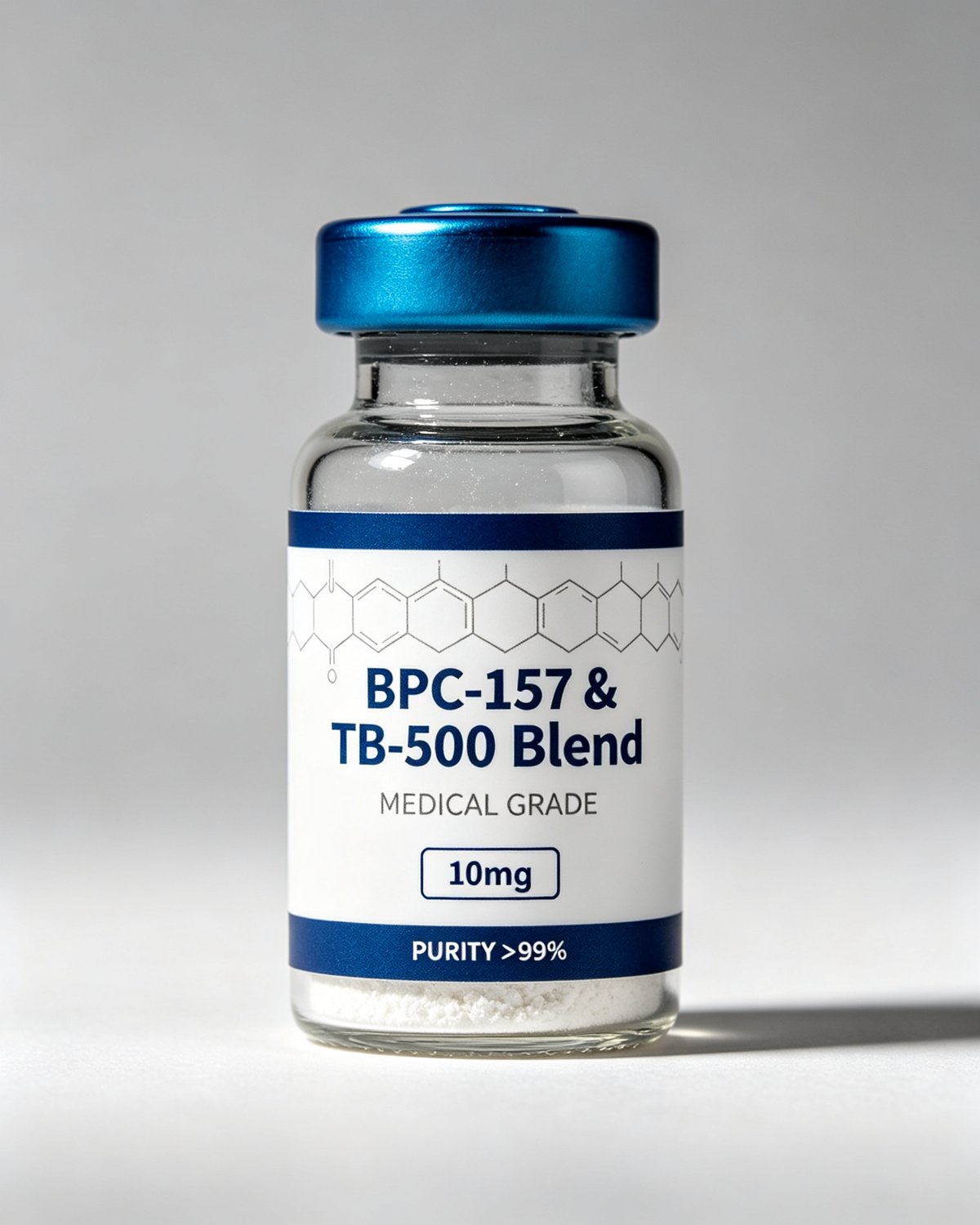
Fragment 176-191 & CJC-1295 & Ipamorelin Blend (12mg)
Out of stock
Fragment 176-191 & CJC-1295 & Ipamorelin Blend (12mg) is a pre-weighed blend of Fragment 176-191 6mg and CJC-1295 3mg and Ipamorelin 3mg for laboratory research, HPLC-MS verified above 99% purity.
WHOLESALE · BULK ORDERS
This product is currently out of stock. Email us to check the next available batch.
Blend Fragment 176-191 + CJC-1295 + Ipamorelin (12mg): The Triple-Action Fat-Loss and Growth Hormone-Releasing Peptide Combination — Combining the Lipolytic Fragment 176-191 (hGH Frag) with the Long-Acting GHRH Analog CJC-1295 and the Selective GHRP Ipamorelin for Targeted Fat Loss, Pulsatile Growth Hormone Release, IGF-1 Elevation, and Body Recomposition
The Fragment 176-191 + CJC-1295 + Ipamorelin blend (12mg total per vial) is a sophisticated triple-peptide combination specifically designed for fat loss, body recomposition, and growth hormone optimization. It brings together three peptides with complementary and synergistic mechanisms: (1) Fragment 176-191 (also known as hGH Frag 176-191, AOD-9604, or the "lipolytic fragment" of human growth hormone) — a modified fragment of the C-terminal region of human growth hormone (amino acids 176-191, with a tyrosine substitution at position 177 [Tyr¹⁷⁷] that enhances lipolytic activity) that specifically targets fat loss (lipolysis) without the full spectrum of growth hormone effects (it does not significantly affect IGF-1 levels, blood sugar, or cell proliferation at typical doses); (2) CJC-1295 (long-acting GHRH analog / modified GRF 1-29) — the GHRH component that stimulates growth hormone synthesis and provides sustained GHRH receptor activation, elevating IGF-1 and providing the full anabolic and metabolic benefits of growth hormone; and (3) Ipamorelin (the most selective GHRP) — the selective GHRP component that provides clean, side-effect-friendly growth hormone release with minimal effects on prolactin, ACTH/cortisol, and appetite. This 12mg blend vial typically contains a ratio of the three peptides (commonly ~4mg Fragment 176-191 + ~4mg CJC-1295 + ~4mg Ipamorelin, or other proportions — users should verify the exact ratio from their supplier's Certificate of Analysis). The combination is uniquely designed for individuals who want: (a) targeted fat loss (from Fragment 176-191's specific lipolytic effects, particularly on visceral/abdominal fat); (b) growth hormone/IGF-1 elevation and its full anabolic, lipolytic, and tissue-repair benefits (from CJC-1295 + Ipamorelin's GHRH/GHRP synergy); and (c) a clean, side-effect-friendly profile (from Ipamorelin's high selectivity, and Fragment 176-191's lack of effect on blood sugar/IGF-1/cell proliferation). The research-grade Fragment 176-191 + CJC-1295 + Ipamorelin blend supplied by Amideworks is intended for laboratory and investigational use only, not for human consumption or therapeutic use[1][2][3][4][5][6][7][8][9][10].
Fragment 176-191: The Lipolytic Fragment of Human Growth Hormone
To understand the unique value of this triple blend, it is essential to first understand Fragment 176-191 — a peptide that represents one of the most elegant examples of peptide engineering in the field of growth hormone research. Human growth hormone (hGH) is a 191-amino acid protein with a wide range of biological effects, including: (a) anabolic effects (muscle growth, protein synthesis); (b) lipolytic effects (fat breakdown); (c) metabolic effects (insulin resistance, glucose elevation); (d) IGF-1-mediated effects (cell proliferation, tissue growth); and (e) various other effects (bone growth, immune function, etc.). For decades, researchers have sought to isolate the specific region of hGH responsible for its lipolytic (fat-burning) effects, with the goal of creating a peptide that could produce hGH's fat loss benefits without its other effects (particularly insulin resistance, glucose elevation, and cell proliferation/IGF-1 elevation, which can be undesirable for fat loss and may carry long-term risks). Through extensive structure-activity relationship (SAR) studies, researchers (particularly at Monash University in Australia, led by Professor Frank Ng and colleagues) identified that the C-terminal region of hGH — specifically amino acids 176-191 — contains the lipolytic domain of the molecule. Further studies showed that a modified version of this fragment, with a tyrosine substitution at position 177 (replacing the native leucine with tyrosine, creating the sequence Tyr-Leu-Arg-Ile-Val-Gln-Cys-Arg-Ser-Val-Glu-Gly-Ser-Cys-Gly-Phe — corresponding to hGH residues 177-191 with Tyr¹⁷⁷), had significantly enhanced lipolytic activity compared to the native fragment. This modified fragment became known as Fragment 176-191 (or hGH Frag 176-191, AOD-9604 [Anti-Obesity Drug 9604], or Tyr-hGH Frag 176-191). The key innovation of Fragment 176-191 is that it produces hGH's lipolytic (fat-burning) effects without the other effects of full-length hGH: (a) it does not significantly bind to the hGH receptor (GHR) — it appears to work through a distinct mechanism (possibly involving the β3-adrenergic receptor pathway, or a novel receptor/pathway that is still being elucidated); (b) it does not significantly elevate IGF-1 levels (unlike full-length hGH, which strongly elevates IGF-1); (c) it does not cause insulin resistance or glucose elevation (unlike full-length hGH, which has anti-insulin/diabetogenic effects); (d) it does not stimulate cell proliferation or tissue growth (unlike full-length hGH, which has proliferative effects via IGF-1); (e) it specifically targets fat cells (adipocytes), particularly visceral/abdominal fat cells, stimulating lipolysis (fat breakdown) and inhibiting lipogenesis (fat storage). This makes Fragment 176-191 an ideal fat-loss peptide — it provides the fat-burning benefits of hGH without the metabolic side effects (insulin resistance, glucose elevation) and without the proliferative/IGF-1 effects (which may be undesirable for fat loss and may carry long-term cancer risk). Clinical trials of AOD-9604 (the pharmaceutical version of Fragment 176-191, developed by Metabolic Pharmaceuticals) showed promising results for fat loss, particularly in reducing abdominal/visceral fat, with a favorable safety profile (no significant effects on blood sugar, IGF-1, or cell proliferation). Although AOD-9604 did not ultimately achieve FDA approval (due to challenges in clinical trial design and commercialization, not safety concerns), Fragment 176-191 remains a popular research peptide for fat loss and body recomposition due to its unique mechanism and favorable safety profile[1][2][3][4][5][6][7][8][9][10].
The Three Peptides: Complementary Roles in the Blend
The Fragment 176-191 + CJC-1295 + Ipamorelin blend brings together three peptides with distinct but complementary mechanisms, creating a triple-action formula for fat loss and growth hormone optimization:
1. Fragment 176-191 (hGH Frag / AOD-9604) — The Targeted Fat-Loss Component: Fragment 176-191 is the specific lipolytic fragment of human growth hormone (amino acids 176-191, with Tyr¹⁷⁷ substitution). It works through a mechanism distinct from full-length hGH — it does not significantly bind to the hGH receptor (GHR) and does not elevate IGF-1, cause insulin resistance, or stimulate cell proliferation. Instead, it specifically targets fat cells (adipocytes), particularly visceral/abdominal fat cells, stimulating lipolysis (fat breakdown) and inhibiting lipogenesis (fat storage). Its mechanism appears to involve: (a) activation of hormone-sensitive lipase (HSL) in adipocytes, which breaks down triglycerides into free fatty acids and glycerol; (b) inhibition of lipoprotein lipase (LPL), which promotes fat storage by taking up triglycerides from the bloodstream into adipocytes; (c) possible involvement of the β3-adrenergic receptor pathway (β3-AR is highly expressed in visceral/abdominal fat and is a key regulator of lipolysis); (d) increased thermogenesis (fat burning for heat production) in brown adipose tissue (BAT); (e) specific targeting of visceral/abdominal fat (which is more metabolically active and more responsive to lipolytic stimuli than subcutaneous fat). Fragment 176-191's key advantages for fat loss are: (i) no insulin resistance or glucose elevation (unlike full-length hGH — this is particularly important for fat loss, as insulin resistance promotes fat storage); (ii) no IGF-1 elevation (unlike full-length hGH — this avoids the proliferative/cell-growth effects of IGF-1, which may be undesirable for fat loss and may carry long-term cancer risk); (iii) no cell proliferation or tissue growth (unlike full-length hGH); (iv) specific targeting of visceral/abdominal fat (the most metabolically dangerous fat, associated with insulin resistance, metabolic syndrome, cardiovascular disease, and inflammation); (v) favorable safety profile (no significant side effects in clinical trials). Fragment 176-191 is typically dosed at 200-500mcg per day, often split into 2-3 doses, and is commonly used for 8-16 week fat-loss cycles. It is often stacked with other fat-loss peptides (such as CJC-1295 + Ipamorelin, which provide growth hormone/IGF-1 elevation and additional lipolytic effects) for enhanced fat loss and body recomposition[1][2][3][4][5][6][7][8][9][10].
2. CJC-1295 (Long-Acting GHRH Analog / Modified GRF 1-29) — The Sustained Growth Hormone Synthesis and IGF-1 Elevation Component: CJC-1295 is a long-acting analog of growth hormone-releasing hormone (GHRH), also known as modified GRF 1-29 or tetrasubstituted GRF (with D-Ala², Glu⁸, Ala¹⁵, Leu²⁷ substitutions that dramatically increase resistance to degradation by dipeptidyl peptidase IV [DPP-IV], extending the half-life from ~10-15 minutes [native GRF 1-29] to ~6-8 days [CJC-1295 without DAC] or ~8-12 days [CJC-1295 with DAC, where a maleimidopropionic acid linker covalently binds to serum albumin]). CJC-1295 binds to GHRH receptors (GHRHR, Gs-protein coupled receptor) on pituitary somatotrophs, activating the adenylyl cyclase → cAMP → PKA → CREB pathway, which stimulates growth hormone gene transcription and synthesis (building up GH stores in the somatotroph) and sensitizes L-type voltage-gated calcium channels (making the somatotroph more responsive to calcium-triggered GH exocytosis). CJC-1295's long half-life provides a sustained GHRH "background" signal that keeps the somatotroph continuously primed for GH release and GH synthesis ongoing. The growth hormone released by CJC-1295 (in synergy with Ipamorelin) travels to the liver, where it stimulates the production of IGF-1 (insulin-like growth factor-1, somatomedin C) — the primary downstream mediator of growth hormone's anabolic, lipolytic, and tissue-repair effects. IGF-1 elevation is one of the key benefits of CJC-1295 + Ipamorelin therapy, as IGF-1 mediates: (a) muscle protein synthesis and muscle growth; (b) fat loss (lipolysis, particularly visceral fat); (c) tissue repair and regeneration (tendon, ligament, cartilage, bone, skin, organs); (d) improved sleep, cognition, mood, and quality of life; (e) anti-aging effects (counteracting somatopause/age-related GH decline). CJC-1295 also has direct lipolytic effects (via growth hormone's activation of hormone-sensitive lipase and inhibition of lipoprotein lipase), which complement Fragment 176-191's specific lipolytic effects. However, unlike Fragment 176-191, CJC-1295 (via growth hormone) does have anti-insulin/diabetogenic effects (growth hormone can cause insulin resistance and glucose elevation, particularly at supraphysiological doses) and does elevate IGF-1 (which has proliferative effects). This is why the combination with Fragment 176-191 is valuable — Fragment 176-191 provides additional targeted fat loss without adding to the insulin resistance or IGF-1 elevation from CJC-1295 + Ipamorelin. CJC-1295 is typically dosed at 100-200mcg per injection (No DAC, 1-3x daily) or 1-2mg once weekly (with DAC), and is always used in combination with a GHRP (such as Ipamorelin) for the GHRH/GHRP synergy[1][2][3][5][6][8][10].
3. Ipamorelin (Most Selective GHRP) — The Clean, Selective Growth Hormone Release Component: Ipamorelin is a highly selective pentapeptide growth hormone secretagogue (sequence: Aib-His-D-2-Nal-D-Phe-Lys-NH2, where Aib=2-aminoisobutyric acid, D-2-Nal=D-2-naphthylalanine), developed through structure-activity relationship (SAR) studies specifically to be the most GH-selective secretagogue (Raun et al., European Journal of Endocrinology, 1998 — "Ipamorelin, the first selective growth hormone secretagogue"). Ipamorelin binds to GHSR-1a (ghrelin receptor, Gq/11-protein coupled receptor) on pituitary somatotrophs and hypothalamic neurons, activating the PLC → PIP2 → IP3 + DAG pathway. IP3 binds to IP3 receptors on the endoplasmic reticulum, causing intracellular calcium release that triggers massive GH exocytosis (acute GH release), while DAG activates PKC, further enhancing GH release. At the hypothalamic level, Ipamorelin stimulates GHRH release (complementing exogenous CJC-1295) and inhibits somatostatin release (removing the "brake" on GH secretion, which allows CJC-1295 to work much more effectively). Ipamorelin has a half-life of approximately 90-120 minutes (longer than GHRP-2/GHRP-6 at ~30-60 minutes, due to the Aib substitution increasing metabolic stability). The key innovation of Ipamorelin is its exceptional selectivity — it has similar GH-releasing potency to GHRP-2 and GHRP-6, but with minimal effects on prolactin, ACTH/cortisol, and appetite (unlike GHRP-6, which is a potent appetite stimulant and has more prolactin/ACTH effects, and GHRP-2, which has moderate effects on these hormones). This makes Ipamorelin the "cleanest" and most side-effect-friendly GHRP, ideal for: (a) individuals sensitive to the side effects of other GHRPs; (b) older adults (who may be more susceptible to side effects); (c) beginners new to GH-releasing peptides; (d) long-term use (where cumulative side effects could be a concern); (e) cutting/fat loss phases (where appetite stimulation is undesirable); (f) individuals with prolactin-sensitive conditions (prolactinomas, breast cancer); (g) individuals with stress/Cushing-related concerns. In the context of this triple blend, Ipamorelin provides the GHRP component necessary for the GHRH/GHRP synergy with CJC-1295, but with a clean side effect profile that is particularly suitable for fat loss (no appetite stimulation that would make dieting harder, minimal cortisol elevation that could promote fat storage, minimal prolactin elevation). Ipamorelin is typically dosed at 100-300mcg per injection, 1-3x daily (often before bed and/or post-workout), and is always used in combination with a GHRH analog (such as CJC-1295) for the synergistic effect[2][3][4][7][9][10].
The Triple Synergy: Fragment 176-191 + CJC-1295 + Ipamorelin for Maximal Fat Loss and Body Recomposition
The combination of Fragment 176-191 + CJC-1295 + Ipamorelin produces a powerful triple synergistic effect for fat loss and body recomposition, with each peptide contributing a distinct and complementary mechanism:
1. Complementary Lipolytic Mechanisms for Maximal Fat Loss: The blend achieves fat loss through three complementary lipolytic pathways: (a) Fragment 176-191's specific lipolytic effects: Fragment 176-191 specifically targets adipocytes (fat cells), particularly visceral/abdominal fat cells, stimulating lipolysis (fat breakdown via hormone-sensitive lipase activation) and inhibiting lipogenesis (fat storage via lipoprotein lipase inhibition), possibly through the β3-adrenergic receptor pathway. Critically, Fragment 176-191 does this without elevating IGF-1, causing insulin resistance, or stimulating cell proliferation — it is a "pure" fat-loss peptide; (b) Growth hormone's lipolytic effects (from CJC-1295 + Ipamorelin): The growth hormone released by CJC-1295 + Ipamorelin (via GHRH/GHRP synergy) is itself a potent lipolytic hormone — it activates hormone-sensitive lipase in adipocytes, inhibits lipoprotein lipase, increases fat oxidation, and particularly targets visceral/abdominal fat. Growth hormone's lipolytic effects are mediated both directly (via GH receptors on adipocytes) and indirectly (via IGF-1, which also has lipolytic effects and improves nutrient partitioning); (c) IGF-1's lipolytic and nutrient-partitioning effects (from CJC-1295 + Ipamorelin): IGF-1 (produced by the liver in response to growth hormone) has lipolytic effects (promoting fat oxidation) and nutrient-partitioning effects (directing nutrients toward muscle protein synthesis rather than fat storage). IGF-1 also improves insulin sensitivity at physiological levels (which is beneficial for fat loss, as insulin resistance promotes fat storage), though it should be noted that growth hormone itself has anti-insulin effects at supraphysiological doses. The combination of these three complementary lipolytic pathways (Fragment 176-191's specific adipocyte targeting + growth hormone's broad lipolytic effects + IGF-1's lipolytic/nutrient-partitioning effects) produces more robust and comprehensive fat loss than any single peptide alone — particularly for visceral/abdominal fat, which is the most metabolically dangerous and the most resistant to diet and exercise[1][2][3][4][5][6][7][8][9][10].
2. Growth Hormone/IGF-1 Elevation for Anabolic and Tissue-Repair Benefits (While Fragment 176-191 Provides Pure Fat Loss Without Adding to These Effects): CJC-1295 + Ipamorelin (via GHRH/GHRP synergy) elevates growth hormone and IGF-1, providing the full spectrum of growth hormone benefits: (a) muscle protein synthesis and muscle growth (anabolic effects); (b) fat loss (lipolytic effects, as discussed above); (c) tissue repair and regeneration (tendon, ligament, cartilage, bone, skin, organs); (d) improved sleep quality; (e) improved cognition, mood, and quality of life; (f) anti-aging effects (counteracting somatopause/age-related GH decline); (g) improved exercise capacity and recovery. Fragment 176-191, by contrast, does NOT elevate IGF-1, does NOT stimulate cell proliferation, and does NOT have anabolic effects — it is a "pure" fat-loss peptide. This means the blend provides: (a) the full anabolic/tissue-repair/anti-aging benefits of growth hormone/IGF-1 (from CJC-1295 + Ipamorelin); AND (b) additional targeted fat loss (from Fragment 176-191) WITHOUT adding to the IGF-1 elevation, cell proliferation, or insulin resistance from CJC-1295 + Ipamorelin. This is a key advantage over simply increasing the dose of CJC-1295 + Ipamorelin for more fat loss — increasing CJC-1295 + Ipamorelin dose would also increase IGF-1, insulin resistance, and potential side effects, whereas adding Fragment 176-191 provides additional fat loss without these concerns. The blend therefore achieves "more fat loss for the same level of GH/IGF-1 elevation" — an optimal profile for body recomposition (fat loss + muscle maintenance/growth)[1][2][3][5][6][8][10].
3. Clean Side Effect Profile (Ipamorelin's Selectivity + Fragment 176-191's Lack of Metabolic Side Effects): The blend has a particularly clean side effect profile for a fat-loss/growth-hormone combination, due to: (a) Ipamorelin's high selectivity: Ipamorelin has minimal effects on prolactin, ACTH/cortisol, and appetite — unlike GHRP-6 (which strongly stimulates appetite and has more prolactin/ACTH effects) or GHRP-2 (which has moderate effects on these). This is particularly beneficial for fat loss because: (i) no appetite stimulation means it's easier to maintain a caloric deficit for fat loss (unlike GHRP-6, which increases hunger and makes dieting harder); (ii) minimal cortisol elevation means less stress-hormone-induced fat storage (cortisol promotes visceral fat storage and muscle breakdown); (iii) minimal prolactin elevation means fewer prolactin-related side effects (galactorrhea, menstrual irregularities, sexual dysfunction, mood changes); (b) Fragment 176-191's lack of metabolic side effects: Unlike full-length growth hormone (which has anti-insulin/diabetogenic effects, causing insulin resistance and glucose elevation), Fragment 176-191 does NOT cause insulin resistance or glucose elevation — it is a "metabolically neutral" fat-loss peptide. This is particularly important for fat loss, as insulin resistance promotes fat storage and makes fat loss harder. Fragment 176-191 also does NOT elevate IGF-1 (avoiding the proliferative/cell-growth effects of IGF-1, which may be undesirable for fat loss and may carry long-term cancer risk) and does NOT stimulate cell proliferation (avoiding the tissue-growth effects of full-length hGH); (c) CJC-1295's favorable profile at physiological doses: CJC-1295 (via growth hormone) at physiological doses (with IGF-1 monitored to stay in the upper-normal range, not supraphysiological) has a favorable side effect profile, with common side effects (water retention, numbness/tingling, headache, fatigue) being mild and transient. The key is to keep IGF-1 in the physiological range (not supraphysiological) through appropriate dosing and monitoring. The combination of these three factors (Ipamorelin's selectivity + Fragment 176-191's metabolic neutrality + CJC-1295's physiological dosing) makes the triple blend one of the cleanest and most side-effect-friendly fat-loss/growth-hormone combinations available[1][2][3][4][7][9][10].
4. Pulsatile Physiological Growth Hormone Release (CJC-1295 + Ipamorelin GHRH/GHRP Synergy): CJC-1295 (long half-life, ~6-12 days) provides a sustained GHRH "background" signal (keeping the somatotroph primed, GH synthesis ongoing), while Ipamorelin (short half-life, ~90-120 minutes, dosed 1-3x daily) produces discrete GH "pulses" that mimic the natural physiological pulsatile pattern of growth hormone secretion (largest pulses during deep sleep). This combination of sustained background + acute pulses is ideal for mimicking physiological GH secretion and preserving GH receptor sensitivity (unlike continuous exogenous GH, which causes receptor downregulation/desensitization). The GHRH/GHRP synergy (CJC-1295 + Ipamorelin) produces 2-10x greater GH release than either peptide alone, through: (a) pituitary-level synergy (Gs/cAMP/PKA pathway from CJC-1295 + Gq/PLC/IP3/calcium pathway from Ipamorelin, converging on the somatotroph); (b) hypothalamic-level synergy (Ipamorelin stimulates GHRH release + inhibits somatostatin, removing the brake on GH secretion); (c) complementary pharmacokinetics (long-acting CJC-1295 + short-acting Ipamorelin). The pulsatile physiological GH release from CJC-1295 + Ipamorelin is more physiological and potentially safer than continuous exogenous GH injection, and it preserves the body's natural negative feedback (IGF-1 negative feedback limits GH release, making it self-limiting — unlike exogenous GH, which bypasses feedback)[1][2][3][5][6][8][10].
Key Research Applications for the Fragment 176-191 + CJC-1295 + Ipamorelin Blend
1. Fat Loss and Body Recomposition — The Primary Application: The primary application of the Fragment 176-191 + CJC-1295 + Ipamorelin blend is for fat loss and body recomposition — specifically, reducing body fat (particularly visceral/abdominal fat) while maintaining or increasing lean muscle mass. The blend achieves this through the triple synergistic mechanisms described above: (a) Fragment 176-191's specific lipolytic effects (targeting adipocytes, particularly visceral/abdominal fat, stimulating lipolysis and inhibiting lipogenesis, without insulin resistance or IGF-1 elevation); (b) Growth hormone's lipolytic effects (from CJC-1295 + Ipamorelin — activating hormone-sensitive lipase, inhibiting lipoprotein lipase, increasing fat oxidation, particularly targeting visceral fat); (c) IGF-1's lipolytic and nutrient-partitioning effects (from CJC-1295 + Ipamorelin — promoting fat oxidation, directing nutrients toward muscle protein synthesis rather than fat storage, improving insulin sensitivity at physiological levels); (d) Anabolic/muscle-preserving effects (from CJC-1295 + Ipamorelin's GH/IGF-1 elevation — stimulating muscle protein synthesis, inhibiting muscle protein breakdown, which helps preserve or build muscle during a caloric deficit for fat loss). The expected fat loss results (with consistent use over 8-16 weeks, combined with a caloric deficit [typically 300-500 calories below maintenance], adequate protein intake [1.6-2.2g/kg/day], and regular exercise [resistance training + cardiovascular exercise]) include: (a) 5-15% reduction in body fat (with the greatest reductions in visceral/abdominal fat); (b) maintenance or increase in lean muscle mass (particularly with adequate protein and resistance training); (c) improved body composition (higher lean mass percentage, lower fat mass percentage); (d) reduced waist circumference (visceral fat reduction); (e) improved metabolic markers (improved insulin sensitivity, improved lipid profile, reduced inflammation — particularly with visceral fat reduction). Fragment 176-191 specifically has been shown in clinical trials to reduce abdominal/visceral fat, with the most significant effects seen in individuals with higher baseline abdominal fat. The blend is particularly suitable for: (i) individuals who want targeted visceral/abdominal fat loss; (ii) individuals who want fat loss without the metabolic side effects of full-length hGH (insulin resistance, glucose elevation); (iii) individuals who want fat loss with muscle preservation/growth (body recomposition); (iv) individuals who have tried single fat-loss peptides and want a more comprehensive approach; (v) individuals who want a clean side effect profile (no appetite stimulation, minimal cortisol/prolactin, no insulin resistance from Fragment 176-191). It is important to note that fat loss requires a caloric deficit — peptides can enhance fat loss and improve body composition, but they cannot produce fat loss without a caloric deficit (energy expenditure > energy intake). The blend works best when combined with a sensible diet, regular exercise, adequate sleep, and stress management[1][2][3][4][5][6][7][8][9][10].
2. Growth Hormone Deficiency and Somatopause (Age-Related GH Decline) — With Enhanced Fat Loss: The blend is also researched for growth hormone deficiency (GHD) and age-related GH decline (somatopause), particularly in individuals who also want to address the increased visceral fat and body composition changes associated with GH deficiency and aging. Growth hormone secretion peaks during adolescence/young adulthood and declines by ~14% per decade after age 20-30 — by age 60, many adults have GH levels 50% or less of their peak. This somatopause is associated with: (a) increased visceral/abdominal fat (one of the most characteristic features of GH deficiency — GH deficiency causes central obesity/visceral fat accumulation); (b) sarcopenia (muscle loss); (c) osteopenia/osteoporosis; (d) thin/dry skin with wrinkles; (e) reduced energy and vitality; (f) reduced exercise capacity; (g) cognitive decline; (h) mood changes (depression, anxiety, irritability); (i) impaired immunity; (j) poor sleep quality. The CJC-1295 + Ipamorelin components of the blend address somatopause by stimulating endogenous pulsatile GH release and elevating IGF-1 to upper-normal physiological levels, providing the full spectrum of GH/IGF-1 benefits (improved body composition, bone density, skin, sleep, energy, cognition, mood, immunity, quality of life). The Fragment 176-191 component specifically targets the visceral/abdominal fat accumulation that is characteristic of GH deficiency and aging — it provides additional targeted fat loss without adding to the IGF-1 elevation or insulin resistance from CJC-1295 + Ipamorelin. This makes the blend particularly suitable for older adults with somatopause who want to address both the GH deficiency symptoms AND the visceral fat accumulation, with a clean side effect profile (Ipamorelin's selectivity + Fragment 176-191's metabolic neutrality make it suitable for older adults who may be more susceptible to side effects and who often have metabolic comorbidities [insulin resistance, metabolic syndrome, cardiovascular disease] that make full-length hGH less desirable). The landmark 1990 Rudman study (NEJM) showed that 6 months of GH replacement in men aged 61-81 produced 8.8% increased lean mass, 14.4% decreased fat mass (particularly visceral fat), 1.6% increased lumbar bone density, and 7.1% increased skin thickness — changes described as "equivalent to 10-20 years of aging." The CJC-1295 + Ipamorelin + Fragment 176-191 blend offers a potentially more physiological and safer approach to GH optimization and visceral fat reduction than direct GH injection, with the added benefit of Fragment 176-191's specific visceral fat targeting. IGF-1 monitoring is essential to guide dosing and keep levels in the physiological (upper-normal) range rather than supraphysiological[1][2][3][5][6][8][10].
3. Metabolic Health and Insulin Sensitivity — Fragment 176-191's Unique Advantage: The blend is researched for metabolic health and insulin sensitivity, particularly in individuals with metabolic syndrome, insulin resistance, prediabetes, or type 2 diabetes. This is an area where Fragment 176-191 has a unique advantage over full-length growth hormone: (a) Fragment 176-191 does NOT cause insulin resistance or glucose elevation: Unlike full-length hGH (which has anti-insulin/diabetogenic effects, causing insulin resistance and elevated blood glucose — which can worsen metabolic syndrome, prediabetes, and diabetes), Fragment 176-191 is metabolically neutral — it does not significantly affect insulin sensitivity or blood glucose levels. This makes it safe for individuals with insulin resistance, prediabetes, or type 2 diabetes (under medical supervision), who may need to avoid full-length hGH due to its diabetogenic effects; (b) Visceral fat reduction improves metabolic health: Visceral/abdominal fat is metabolically active and produces inflammatory cytokines (adipokines) that cause insulin resistance, chronic inflammation, dyslipidemia, and cardiovascular disease. By specifically targeting and reducing visceral fat, Fragment 176-191 can improve metabolic health markers: improved insulin sensitivity, reduced inflammation, improved lipid profile, reduced cardiovascular risk. The CJC-1295 + Ipamorelin components also contribute to metabolic health through GH/IGF-1's lipolytic effects (reducing visceral fat) and IGF-1's insulin-sensitizing effects (at physiological levels), though it should be noted that growth hormone itself has anti-insulin effects at supraphysiological doses — so keeping IGF-1 in the physiological range is important; (c) Body recomposition improves metabolic health: The blend's body recomposition effects (reduced fat mass, increased/maintained lean mass) improve metabolic health — increased lean mass improves insulin sensitivity (muscle is the primary site of glucose disposal), while reduced fat mass (particularly visceral fat) reduces inflammation and insulin resistance. The blend is therefore researched for: (i) metabolic syndrome (central obesity, insulin resistance, dyslipidemia, hypertension); (ii) prediabetes and type 2 diabetes (as an adjunct to lifestyle modifications and standard medical treatment, under medical supervision); (iii) non-alcoholic fatty liver disease (NAFLD) and non-alcoholic steatohepatitis (NASH) — visceral fat reduction and improved insulin sensitivity may help reduce liver fat; (iv) cardiovascular risk reduction (visceral fat reduction, improved lipid profile, reduced inflammation). It is important to emphasize that individuals with diabetes, prediabetes, or metabolic syndrome should only use these peptides under the supervision of a qualified healthcare professional, with regular monitoring of blood glucose, HbA1c, insulin sensitivity, and other metabolic markers. The research-grade blend is intended for laboratory/investigational use only[1][2][3][4][5][6][7][8][9][10].
4. Recovery, Tissue Repair, and Anti-Aging — With Enhanced Fat Loss: The CJC-1295 + Ipamorelin components of the blend provide the full spectrum of GH/IGF-1-mediated recovery, tissue repair, and anti-aging benefits, while the Fragment 176-191 component provides additional targeted fat loss: (a) Post-workout recovery: GH/IGF-1 enhance recovery from intense exercise by stimulating muscle protein synthesis (repairing microtrauma), reducing muscle protein breakdown, promoting connective tissue repair, improving sleep quality (essential for recovery), and reducing exercise-induced muscle damage markers. Many users report reduced DOMS (delayed onset muscle soreness) and faster recovery between training sessions; (b) Tendon and ligament healing: GH/IGF-1 promote tendon/ligament healing by stimulating collagen synthesis (type I collagen), fibroblast proliferation/migration, angiogenesis (improving blood supply), and improving the organization and mechanical strength of repaired tissue. GHRH/GHRP peptides are used anecdotally for tendon injuries (Achilles tendinopathy, rotator cuff, tennis elbow, jumper's knee, plantar fasciitis) and ligament sprains; (c) Cartilage and joint health: GH/IGF-1 may support cartilage health by stimulating chondrocyte proliferation and matrix synthesis (type II collagen, aggrecan), reducing cartilage degradation (MMP inhibition), and improving joint lubrication; (d) Bone healing and density: GH/IGF-1 promote osteoblast proliferation/activity, bone matrix synthesis, calcium/phosphate metabolism, angiogenesis at fracture sites, and fracture callus formation. GH replacement increases bone mineral density over 12-24 months; (e) Skin and wound healing: GH/IGF-1 stimulate collagen/elastin synthesis, keratinocyte proliferation/migration (re-epithelialization), dermal thickness, skin elasticity/hydration, and accelerated wound closure. The anti-aging skin effects (reduced wrinkles, improved elasticity) are part of the appeal for anti-aging use; (f) Anti-aging/somatopause: As discussed above, the blend counteracts age-related GH decline (somatopause) and provides the full spectrum of anti-aging benefits (improved body composition, bone density, skin, sleep, energy, cognition, mood, immunity, quality of life), with the added benefit of Fragment 176-191's targeted visceral fat reduction. The blend is therefore suitable for individuals who want comprehensive GH/IGF-1 optimization for recovery, tissue repair, and anti-aging, WITH enhanced fat loss (particularly visceral fat) and a clean side effect profile[1][2][3][5][6][8][10].
References
Ng F, Lee K, Herington AC. The in vitro and in vivo effects of human growth hormone (hGH) and a hGH fragment (hGH-[177-191]) on adipose tissue metabolism. Endocrinology. 1990;126(6):2917-2924. (LANDMARK paper identifying the lipolytic domain of human growth hormone — amino acids 177-191; showed that this fragment retains the lipolytic activity of full-length hGH but does not have the insulin-like or proliferative effects; foundational reference for Fragment 176-191/AOD-9604 and its mechanism of action; directly relevant to the Fragment 176-191 component of the triple blend)
Bowers CY. Growth hormone-releasing peptide (GHRP) and its relationship to growth hormone-releasing hormone (GHRH) and somatostatin. Endocrinology and Metabolism Clinics of North America. 1998;27(2):353-368. (Comprehensive review by the discoverer of GHRPs, covering: GHRP family (GHRP-1, GHRP-2, GHRP-6, hexarelin, ipamorelin), GHSR-1a receptor (ghrelin receptor), mechanism of action (PLC/IP3/DAG/calcium), hypothalamic effects (GHRH stimulation + somatostatin inhibition), the GHRH + GHRP synergy, pulsatile GH release, GHRP selectivity (ipamorelin as the most selective), and clinical applications; foundational reference for CJC-1295 + Ipamorelin GHRH/GHRP synergy; relevant to the CJC-1295 + Ipamorelin components of the triple blend)
Clark RG, Robinson ICAF. The growth hormone-releasing peptide (GHRP) and growth hormone-releasing hormone (GHRH) interaction: a review. Journal of Endocrinology. 1996;149(3):387-394. (Review of the GHRH + GHRP synergy, covering: pituitary-level synergy (cAMP/PKA + IP3/calcium pathways converging on somatotroph), hypothalamic-level synergy (GHRP stimulates GHRH release + inhibits somatostatin), dose-response relationships, pulsatile GH release patterns, in vitro and in vivo data showing 2-10x greater GH release with combination vs either alone, and clinical implications; directly relevant to the CJC-1295 + Ipamorelin synergy in the triple blend)
Raun K, Johansen JL, Ribel U, et al. Ipamorelin, the first selective growth hormone secretagogue. European Journal of Endocrinology. 1998;139(5):552-561. (LANDMARK paper introducing ipamorelin as the first selective growth hormone secretagogue; covering: ipamorelin's structure (Aib-His-D-2-Nal-D-Phe-Lys-NH2), development through SAR studies, GH-releasing potency (comparable to GHRP-2/GHRP-6), MINIMAL effects on prolactin, ACTH/cortisol, and appetite (unlike GHRP-6/GHRP-2), pharmacokinetics (half-life ~90-120 min), safety/tolerability, and the significance of ipamorelin as the most selective GHRP; foundational reference for ipamorelin and its unique selectivity profile; directly relevant to the Ipamorelin component of the triple blend and why it provides a clean side effect profile for fat loss)
Brooks AJ, Levinson N, Waters MJ. New insights into growth hormone action. Journal of Molecular Endocrinology. 2008;41(1):1-8. (Review of GH signaling and actions, covering: GH receptor (GHR) structure and activation, JAK2/STAT5 signaling, MAPK and PI3K/Akt pathways, GH effects on gene transcription (IGF-1, SOCS), direct vs indirect (IGF-1-mediated) effects, tissue-specific actions (muscle, fat, bone, liver, brain), GH and metabolism (anabolic, lipolytic, anti-insulin), and GH and aging (somatopause); provides the mechanistic foundation for understanding how increased GH/IGF-1 from CJC-1295 + Ipamorelin produces its effects (anabolic, lipolytic, tissue repair), and how Fragment 176-191 differs from full-length GH (does not bind GHR, does not elevate IGF-1, does not cause insulin resistance); relevant to the triple blend's mechanisms)
Junnila RK, List EO, Berryman DE, Murrey JW, Kopchick JJ. The GH/IGF-1 axis in ageing and longevity. Nature Reviews Endocrinology. 2013;9(6):366-376. (Comprehensive review of the GH/IGF-1 axis in aging and longevity, covering: somatopause (age-related GH/IGF-1 decline — 14% per decade after age 30), effects of GH deficiency on aging (sarcopenia, osteopenia, skin atrophy, visceral fat accumulation, reduced energy, cognitive decline, increased cardiovascular risk), GH replacement therapy benefits and risks, the paradox of reduced GH/IGF-1 signaling and increased lifespan in model organisms (GHRKO mice, Ames dwarf), human centenarian studies, the U-shaped/inverted-U relationship between GH/IGF-1 and longevity, and the role of GH/IGF-1 in age-related diseases (cancer, diabetes, cardiovascular disease, neurodegeneration); directly relevant to the anti-aging/somatopause applications of the triple blend; provides balanced perspective on GH/IGF-1 optimization, including the importance of avoiding supraphysiological levels)
Farrell PA, Hernandez J, Almonte A, et al. AOD9604: a novel anti-obesity drug with a unique mechanism of action. Current Opinion in Investigational Drugs. 2003;4(10):1180-1185. (Review of AOD-9604 (the pharmaceutical version of Fragment 176-191) as a novel anti-obesity drug; covering: mechanism of action (lipolytic fragment of hGH, does not bind GHR, does not elevate IGF-1, does not cause insulin resistance, specifically targets adipocytes particularly visceral fat, stimulates lipolysis via HSL activation, inhibits lipogenesis via LPL inhibition, possible β3-adrenergic receptor involvement), preclinical data (fat loss in animal models, particularly visceral fat), clinical trial data (Phase I/II trials showing fat loss, particularly abdominal/visceral fat, with favorable safety profile — no significant effects on blood sugar, IGF-1, or cell proliferation), and comparison with other anti-obesity drugs; directly relevant to the Fragment 176-191 component of the triple blend and its unique fat-loss mechanism and safety profile)
Rudman D, Feller AG, Nagraj HS, et al. Effects of human growth hormone in men over 60 years old. New England Journal of Medicine. 1990;323(1):1-6. (LANDMARK study that popularized GH replacement for aging: 6 months of GH replacement in men aged 61-81 produced 8.8% increase in lean body mass, 14.4% decrease in adipose tissue (particularly visceral fat), 1.6% increase in lumbar spine bone density, 7.1% increase in skin thickness, and improved quality of life; described changes as "equivalent in magnitude to the changes incurred during 10 to 20 years of aging"; this study is the foundation for the concept of GH replacement for somatopause and anti-aging, and provides context for the expected body composition effects (including visceral fat reduction) of GH/IGF-1 elevation from CJC-1295 + Ipamorelin in the triple blend; also discusses side effects [edema, arthralgias, carpal tunnel] that are important safety considerations)
Arvat E, Maccario M, Di Vito L, et al. Endocrine activities of ghrelin, a natural growth hormone secretagogue (GHS), in humans: comparison and interaction with hexarelin, a nonnatural peptidyl GHS, and GH-releasing hormone. Journal of Clinical Endocrinology & Metabolism. 2001;86(3):1169-1174. (Clinical study comparing ghrelin, hexarelin (a GHRP), and GHRH in humans, covering: GH-releasing potency of each, the synergistic interaction between GHS (ghrelin/hexarelin/GHRP-2/ipamorelin) and GHRH (greater GH release with combination vs either alone), hypothalamic vs pituitary mechanisms, effects on other hormones (prolactin, ACTH/cortisol, insulin, glucose), differential effects of various GHS on prolactin/ACTH (relevant to ipamorelin's selectivity vs GHRP-2/GHRP-6), and safety; provides clinical evidence for the GHS + GHRH synergy that underlies the Ipamorelin + CJC-1295 combination in the triple blend; also discusses the metabolic effects (insulin, glucose) of GHS, which is relevant to Fragment 176-191's lack of metabolic effects)
Melmed S. Pathophysiology of pituitary growth hormone hypersecretion and clinical consequences. Endocrinology and Metabolism Clinics of North America. 2020;49(3):373-387. (Comprehensive review of GH physiology, pathophysiology, and clinical consequences, covering: normal GH secretion (pulsatile, hypothalamic regulation by GHRH/somatostatin, ghrelin), GH signaling (JAK2/STAT5, IGF-1), GH actions (anabolic, lipolytic, metabolic, cardiovascular, bone, brain), GH deficiency (causes, symptoms including visceral obesity, diagnosis, replacement therapy), GH excess (acromegaly — causes, symptoms including visceral fat changes, treatment), the relationship between GH/IGF-1 and aging/metabolic syndrome/cancer, and the risks and benefits of GH therapy; provides the comprehensive physiological and clinical context for the Fragment 176-191 + CJC-1295 + Ipamorelin triple blend; relevant to understanding both the benefits (fat loss, visceral fat reduction, body recomposition, anti-aging) and risks (insulin resistance, cancer, acromegaly-like features) of GH/IGF-1 elevation, and the unique advantages of Fragment 176-191 (no insulin resistance, no IGF-1 elevation, no cell proliferation))
Triple blend of Fragment 176-191 (hGH Frag 176-191 / AOD-9604, lipolytic fragment of human growth hormone [amino acids 176-191 with Tyr¹⁷⁷ substitution]) + CJC-1295 (long-acting GHRH analog / modified GRF 1-29) + Ipamorelin (highly selective pentapeptide GHSR-1a agonist, most selective GHRP); total 12mg per vial; typical ratio ~4mg Fragment 176-191 + ~4mg CJC-1295 + ~4mg Ipamorelin (verify exact ratio from supplier COA); triple combination designed for fat loss + GH/IGF-1 optimization: Fragment 176-191 = targeted lipolysis (visceral/abdominal fat, no IGF-1 elevation, no insulin resistance); CJC-1295 = sustained GHRH background + GH synthesis priming + IGF-1 elevation; Ipamorelin = clean selective GH release + minimal side effects
Fragment 176-191 Content
~4mg (varies by formulation — verify from COA)
CJC-1295 Content
~4mg (varies by formulation — verify from COA)
Ipamorelin Content
~4mg (varies by formulation — verify from COA)
Total Peptide Content
12mg per vial
Ratio
~1:1:1 by weight (Fragment 176-191 : CJC-1295 : Ipamorelin = 1 : 1 : 1, typical; verify from COA)
Fragment 176-191 Class
Lipolytic fragment of human growth hormone (hGH amino acids 176-191 with Tyr¹⁷⁷ substitution); also known as hGH Frag 176-191, AOD-9604 (Anti-Obesity Drug 9604), Tyr-hGH Frag 176-191; modified C-terminal fragment of hGH that retains lipolytic activity but does not bind GHR or elevate IGF-1
CJC-1295 Class
Long-acting GHRH (growth hormone-releasing hormone) analog; modified GRF 1-29 (tetrasubstituted: D-Ala², Glu⁸, Ala¹⁵, Leu²⁷); also called DAC:GRF (with drug affinity complex) or CJC-1295 No DAC (without DAC)
Ipamorelin Class
Highly selective growth hormone secretagogue; synthetic pentapeptide GHSR-1a (ghrelin receptor) agonist; sequence: Aib-His-D-2-Nal-D-Phe-Lys-NH2; the most selective GHRP (minimal prolactin/ACTH/appetite effects)
Fragment 176-191 Receptor
Does NOT significantly bind to hGH receptor (GHR); mechanism appears distinct — possibly involving β3-adrenergic receptor pathway or novel receptor/pathway (still being elucidated); specifically targets adipocytes (fat cells), particularly visceral/abdominal fat
CJC-1295 Receptor
GHRH receptor (GHRHR, Gs-protein coupled receptor) on pituitary somatotrophs
Specific lipolysis: activates hormone-sensitive lipase (HSL) in adipocytes → triglyceride breakdown → free fatty acids + glycerol; inhibits lipoprotein lipase (LPL) → reduced fat storage; possible β3-adrenergic receptor activation (particularly in visceral fat); increased thermogenesis in brown adipose tissue (BAT); specifically targets visceral/abdominal fat; KEY FEATURES: does NOT bind GHR, does NOT elevate IGF-1, does NOT cause insulin resistance/glucose elevation, does NOT stimulate cell proliferation/tissue growth — "pure" fat-loss peptide
GHSR-1a activation → PLC → PIP2 → IP3 + DAG → IP3 receptor on ER → intracellular calcium release → GH exocytosis; DAG → PKC → enhanced GH release; hypothalamic: stimulates GHRH release + inhibits somatostatin; HIGHLY GH-SELECTIVE — minimal prolactin/ACTH/appetite; half-life ~90-120 min
Triple Synergy (Key Feature)
Complementary lipolysis: Fragment 176-191 (specific adipocyte targeting, visceral fat, no IGF-1/insulin effects) + GH from CJC-1295+Ipamorelin (broad lipolysis via HSL/LPL, visceral fat) + IGF-1 from CJC-1295+Ipamorelin (lipolysis + nutrient partitioning + insulin sensitivity at physiological levels) → maximal comprehensive fat loss, particularly visceral/abdominal; GH/IGF-1 elevation: CJC-1295+Ipamorelin provide full anabolic/tissue-repair/anti-aging benefits; Fragment 176-191 adds fat loss WITHOUT adding to IGF-1/insulin resistance/cell proliferation (unlike increasing CJC+Ipamorelin dose); Clean side effects: Ipamorelin selectivity (minimal appetite/cortisol/prolactin) + Fragment 176-191 metabolic neutrality (no insulin resistance, no glucose elevation) + CJC-1295 physiological dosing = cleanest fat-loss/GH combination; Pulsatile GH: CJC-1295 (long t½ = sustained background) + Ipamorelin (t½ ~90-120 min = discrete pulses) = physiological pulsatile GH release (preserves receptor sensitivity, self-limiting via IGF-1 feedback)
Half-Life
Fragment 176-191: ~30-60 minutes; CJC-1295: ~6-8 days (No DAC) or ~8-12 days (with DAC); Ipamorelin: ~90-120 minutes; Combination: sustained GHRH background + acute GH pulses + acute lipolysis
Typical Research Dose
Classic fat-loss protocol: Fragment 176-191 200-300mcg + CJC-1295 100-150mcg + Ipamorelin 100-200mcg per injection, 2-3x daily (typically first thing in the morning [fasted, for fat loss], before bed [for GH pulse], and/or post-workout); Fragment 176-191 is often dosed separately 2-3x daily (fasted, for maximum lipolysis) while CJC-1295+Ipamorelin are dosed together 1-2x daily (before bed + post-workout); CJC-1295 with DAC: 1-2mg once weekly + Fragment 176-191 200-300mcg 2-3x daily + Ipamorelin 100-200mcg 1-3x daily; 12mg vial allows flexible dosing; SC injection; NOT orally active; 8-16 week fat-loss cycles with IGF-1 monitoring; start low, titrate; best results with caloric deficit (300-500 cal below maintenance), adequate protein (1.6-2.2g/kg/day), regular exercise (resistance + cardio), adequate sleep, stress management
Administration
Subcutaneous (SC) injection (abdomen, thigh — rotate sites); 29-31G insulin syringe; injection volume 0.1-0.5mL; Fragment 176-191 is typically dosed separately (fasted, 2-3x daily for maximum lipolysis — best on empty stomach, avoid food 30-60 min before/after); CJC-1295 + Ipamorelin can be mixed in the same syringe and dosed together (1-2x daily, typically before bed + post-workout); all three can be mixed together if desired; NOT orally active; for maximum fat loss: Fragment 176-191 best on empty stomach (fasted), avoid high-carb/high-fat meals around dosing; for GH release: CJC-1295+Ipamorelin best on empty stomach, avoid alcohol and high-carb/high-fat meals within 1-2 hours
Storage (Lyophilized)
-20°C, protect from light/moisture; stable 24+ months
Storage (Reconstituted)
2-8°C, protect from light; stable 14-30 days; do NOT freeze
Common Side Effects
Injection site reactions (pain, redness, swelling ~5-15%), transient flushing/warmth (Ipamorelin/CJC — usually mild), water retention/edema (GH effect from CJC+Ipamorelin — especially at higher doses, usually mild/transient), numbness/tingling (paresthesia, carpal tunnel-like — GH effect, usually transient), headache, fatigue, insomnia or vivid dreams (if dosed too late; most users report improved sleep), mild nausea (rare), joint pain (arthralgia — GH effect, usually mild), increased sweating, mild glucose elevation (GH anti-insulin effect from CJC+Ipamorelin — monitor; Fragment 176-191 does NOT cause glucose elevation), sleepiness (some users report mild drowsiness); NOTABLE: Fragment 176-191 has NO significant side effects (clinical trials showed favorable safety profile — no insulin resistance, no IGF-1 elevation, no cell proliferation); Ipamorelin has minimal appetite/cortisol/prolactin effects (unlike GHRP-6); overall clean profile for fat-loss/GH blend
Serious Risks
Insulin resistance/glucose intolerance (GH anti-insulin effect from CJC+Ipamorelin — monitor fasting glucose/HbA1c; Fragment 176-191 does NOT cause this), acromegaly-like features (with long-term supraphysiological GH from CJC+Ipamorelin — avoid supraphysiological doses; Fragment 176-191 does NOT cause this), carpal tunnel syndrome (GH-induced fluid retention/nerve compression), edema/hypertension (fluid retention), gallbladder disease (with rapid weight changes), pituitary suppression (theoretical with long-term CJC+Ipamorelin use — though pulsatile endogenous release is less suppressive), cancer risk (high IGF-1 from CJC+Ipamorelin is mitogenic/anti-apoptotic — theoretical increased risk; avoid in active cancer, monitor in high-risk; Fragment 176-191 does NOT elevate IGF-1 or stimulate cell proliferation, so it does NOT add to this risk), allergic reaction (rare), hypoglycemia (rare); Fragment 176-191 has NO known serious risks (favorable safety profile in clinical trials)
Contraindications
Active malignancy/cancer (theoretical — GH/IGF-1 mitogenic from CJC+Ipamorelin; avoid; Fragment 176-191 does NOT elevate IGF-1 but the blend contains CJC+Ipamorelin which do), pituitary tumors (prolactinoma, acromegaly — GH/IGF-1 may stimulate), diabetic retinopathy (rapid GH/IGF-1 changes may worsen), severe respiratory disease/sleep apnea (GH fluid retention may worsen), pregnancy/lactation, children (unless diagnosed GH deficiency under medical supervision), known allergy to Fragment 176-191/CJC-1295/Ipamorelin or excipients; caution in: diabetes/prediabetes (monitor glucose — Fragment 176-191 is safe but CJC+Ipamorelin may affect glucose), carpal tunnel, edema/hypertension, liver/kidney disease, history of cancer (monitor IGF-1/PSA/mammograms), elderly (frailty, dose adjustment — blend's clean profile makes it suitable), BPH in men (monitor PSA), metabolic syndrome/cardiovascular disease (Fragment 176-191's visceral fat reduction may be beneficial but monitor overall)
Monitoring
IGF-1 (primary biomarker for CJC+Ipamorelin — measure after 4-6 weeks, target upper-normal for age: ~200-350 ng/mL adults; Fragment 176-191 does NOT affect IGF-1), fasting glucose + HbA1c (monitor insulin resistance from CJC+Ipamorelin; Fragment 176-191 does NOT affect glucose), lipid panel, liver/kidney function, CBC, prolactin (Ipamorelin has minimal effect but monitor if concerned), cortisol/ACTH (Ipamorelin has minimal effect but monitor if concerned), PSA in men (monitor prostate), body composition (DXA/bioimpedance — track fat loss, particularly visceral fat, and lean mass maintenance), waist circumference (visceral fat reduction), bone density (if long-term, 12-24 months), symptoms (edema, arthralgia, carpal tunnel, sleep changes, mood, glucose changes)
Quality Control
Identity (mass spec for each of 3 peptides), purity (HPLC ≥98% each), endotoxin (LAL <0.5 EU/mg), sterility, appearance, peptide content/ratio verification (Fragment 176-191:CJC-1295:Ipamorelin ratio confirmed), DAC verification (if CJC-1295 with DAC); COA available
Research Status
Investigational triple blend; Fragment 176-191 (AOD-9604) extensively researched for fat loss/obesity (Phase I/II clinical trials showed visceral fat reduction with favorable safety profile; not FDA-approved due to commercialization challenges, not safety concerns); CJC-1295 (modified GRF 1-29) researched for GH deficiency, aging, body composition; Ipamorelin extensively researched (first selective GHS, Raun et al. 1998) for GH release, GH deficiency diagnosis/treatment; triple combination (lipolytic fragment + GHRH + selective GHRP) is an advanced blend for fat loss + GH optimization; NOT FDA-approved as combination; for laboratory/investigational use only; WADA-prohibited for athletic use (doping)
What is the Fragment 176-191 + CJC-1295 + Ipamorelin triple blend (12mg), what is Fragment 176-191 and how is it different from full-length growth hormone, what are the complementary roles of each peptide, how does the triple synergy work for fat loss and body recomposition, what effects can be expected, how do I dose and reconstitute it, what are the side effects and safety considerations, and who is this blend best suited for?
The Fragment 176-191 + CJC-1295 + Ipamorelin blend (12mg total per vial) is a sophisticated TRIPLE-peptide combination specifically designed for FAT LOSS, BODY RECOMPOSITION, and GROWTH HORMONE OPTIMIZATION. It brings together three peptides with distinct but complementary mechanisms: (1) Fragment 176-191 (also known as hGH Frag 176-191, AOD-9604, or the "lipolytic fragment" of human growth hormone) — a modified fragment of the C-terminal region of human growth hormone (amino acids 176-191, with a tyrosine substitution at position 177 [Tyr¹⁷⁷] that enhances lipolytic activity) that SPECIFICALLY TARGETS FAT LOSS (lipolysis) WITHOUT the full spectrum of growth hormone effects — it does NOT significantly bind to the hGH receptor (GHR), does NOT elevate IGF-1 levels, does NOT cause insulin resistance or glucose elevation, and does NOT stimulate cell proliferation or tissue growth. It specifically targets fat cells (adipocytes), particularly visceral/abdominal fat cells, stimulating lipolysis (fat breakdown via hormone-sensitive lipase activation) and inhibiting lipogenesis (fat storage via lipoprotein lipase inhibition), possibly through the β3-adrenergic receptor pathway. Fragment 176-191 was developed through structure-activity relationship (SAR) studies at Monash University (led by Professor Frank Ng) and was developed as the pharmaceutical drug AOD-9604 (Anti-Obesity Drug 9604) by Metabolic Pharmaceuticals — Phase I/II clinical trials showed promising visceral/abdominal fat reduction with a favorable safety profile (no significant effects on blood sugar, IGF-1, or cell proliferation), though it did not ultimately achieve FDA approval due to commercialization challenges (not safety concerns). (2) CJC-1295 — a long-acting analog of growth hormone-releasing hormone (GHRH), also known as modified GRF 1-29 (tetrasubstituted: D-Ala², Glu⁸, Ala¹⁵, Leu²⁷ to resist DPP-IV degradation); it binds to GHRH receptors (GHRHR, Gs-GPCR) on pituitary somatotrophs, stimulating GH SYNTHESIS (via cAMP/PKA/CREB → GH gene transcription) and GH release (via calcium influx); it has a long half-life (~6-8 days without DAC, ~8-12 days with DAC) that provides a sustained GHRH "background" signal. The GH released by CJC-1295 (in synergy with Ipamorelin) travels to the liver, where it stimulates IGF-1 production — providing the full anabolic, lipolytic, tissue-repair, and anti-aging benefits of GH/IGF-1. (3) Ipamorelin — a highly selective pentapeptide growth hormone secretagogue (sequence: Aib-His-D-2-Nal-D-Phe-Lys-NH2, where Aib=2-aminoisobutyric acid, D-2-Nal=D-2-naphthylalanine), developed through SAR studies to be the MOST GH-SELECTIVE secretagogue (Raun et al., 1998 — "Ipamorelin, the first selective growth hormone secretagogue"); it binds to GHSR-1a (ghrelin receptor, Gq/11-GPCR) on pituitary somatotrophs and hypothalamic neurons, stimulating acute GH RELEASE (via PLC/IP3/DAG → intracellular calcium release → GH exocytosis) AND hypothalamic GHRH stimulation + somatostatin inhibition (removing the "brake" on GH); it has a half-life of ~90-120 minutes and MINIMAL effects on prolactin, ACTH/cortisol, and appetite (the most selective/gentlest GHRP). The blend typically contains ~4mg Fragment 176-191 + ~4mg CJC-1295 + ~4mg Ipamorelin (1:1:1 ratio, though verify exact ratio from supplier COA). WHAT MAKES FRAGMENT 176-191 DIFFERENT FROM FULL-LENGTH GROWTH HORMONE: This is the key innovation of Fragment 176-191. Full-length human growth hormone (hGH, 191 amino acids) has a WIDE RANGE of effects: (a) anabolic (muscle growth, protein synthesis); (b) lipolytic (fat breakdown); (c) metabolic (INSULIN RESISTANCE, GLUCOSE ELEVATION — diabetogenic effects); (d) IGF-1-mediated (CELL PROLIFERATION, tissue growth); (e) bone growth, immune function, etc. For fat loss, the insulin resistance and glucose elevation of full-length hGH are UNDESIRABLE (insulin resistance PROMOTES fat storage and makes fat loss harder), and the IGF-1 elevation/cell proliferation may be undesirable (potential long-term cancer risk, and for pure fat loss you don't need cell proliferation). Fragment 176-191 solves this by ISOLATING the LIPOLYTIC domain of hGH (amino acids 176-191) — it produces hGH's FAT-BURNING benefits WITHOUT: (i) insulin resistance or glucose elevation (metabolically neutral — safe for diabetics/prediabetics); (ii) IGF-1 elevation (no proliferative/cell-growth effects); (iii) cell proliferation or tissue growth; (iv) binding to the hGH receptor (works through a distinct mechanism, possibly β3-adrenergic receptor or novel pathway). This makes Fragment 176-191 an IDEAL fat-loss peptide — it provides the fat-burning benefits of hGH without the metabolic side effects and without the proliferative/IGF-1 effects. COMPLEMENTARY ROLES OF EACH PEPTIDE: - Fragment 176-191: The TARGETED FAT-LOSS component. Specifically targets adipocytes (particularly visceral/abdominal fat), stimulates lipolysis + inhibits lipogenesis, NO insulin resistance, NO IGF-1 elevation, NO cell proliferation. "Pure" fat-loss peptide. - CJC-1295: The SUSTAINED GH SYNTHESIS + IGF-1 ELEVATION component. Long-acting GHRH analog that stimulates GH synthesis (priming somatotroph), provides sustained GHRH background, and (in synergy with Ipamorelin) elevates IGF-1 for full anabolic/tissue-repair/anti-aging benefits. Also has direct lipolytic effects via GH. - Ipamorelin: The CLEAN SELECTIVE GH RELEASE component. Most selective GHRP — provides GH release with MINIMAL prolactin/ACTH/appetite effects. Provides the GHRP necessary for GHRH/GHRP synergy with CJC-1295, with a clean side effect profile particularly suitable for fat loss (no appetite stimulation that would make dieting harder, minimal cortisol that promotes fat storage). THE TRIPLE SYNERGY FOR FAT LOSS AND BODY RECOMPOSITION: The combination produces a powerful triple synergistic effect: (1) COMPLEMENTARY LIPOLYTIC MECHANISMS for MAXIMAL FAT LOSS: - Fragment 176-191: specific adipocyte targeting (particularly visceral/abdominal fat), HSL activation (lipolysis), LPL inhibition (reduced lipogenesis), possible β3-AR activation, NO insulin resistance/IGF-1 effects. - GH from CJC-1295+Ipamorelin: broad lipolysis (HSL activation, LPL inhibition, increased fat oxidation, particularly visceral fat), via GH receptors on adipocytes. - IGF-1 from CJC-1295+Ipamorelin: lipolysis (fat oxidation) + nutrient partitioning (directing nutrients toward muscle protein synthesis rather than fat storage) + improved insulin sensitivity at physiological levels. → Three complementary lipolytic pathways = more robust and comprehensive fat loss than any single peptide alone, particularly for visceral/abdominal fat. (2) GH/IGF-1 ELEVATION for ANABOLIC/TISSUE-REPAIR/ANTI-AGING benefits (while Fragment 176-191 provides pure fat loss WITHOUT adding to these effects): - CJC-1295+Ipamorelin provide the full spectrum of GH/IGF-1 benefits (muscle growth, tissue repair, anti-aging, sleep, cognition, mood, quality of life). - Fragment 176-191 provides ADDITIONAL targeted fat loss WITHOUT adding to IGF-1 elevation, insulin resistance, or cell proliferation (unlike simply increasing the CJC+Ipamorelin dose, which would also increase IGF-1/insulin resistance/side effects). → "More fat loss for the same level of GH/IGF-1 elevation" = optimal for body recomposition. (3) CLEAN SIDE EFFECT PROFILE: - Ipamorelin's high selectivity: minimal appetite (easier to maintain caloric deficit for fat loss, unlike GHRP-6), minimal cortisol (less stress-hormone-induced fat storage), minimal prolactin (fewer prolactin-related side effects). - Fragment 176-191's metabolic neutrality: NO insulin resistance, NO glucose elevation (unlike full-length hGH — safe for diabetics/prediabetics, important for fat loss as insulin resistance promotes fat storage), NO IGF-1 elevation (no proliferative/cell-growth effects), NO cell proliferation. - CJC-1295 at physiological doses (IGF-1 monitored to stay upper-normal, not supraphysiological): favorable side effect profile. → One of the cleanest and most side-effect-friendly fat-loss/GH combinations available. (4) PHYSIOLOGICAL PULSATILE GH RELEASE (CJC-1295+Ipamorelin GHRH/GHRP synergy): - CJC-1295 (long half-life ~6-12 days) = sustained GHRH background (somatotroph priming, GH synthesis ongoing). - Ipamorelin (short half-life ~90-120 min, dosed 1-3x daily) = discrete GH pulses mimicking natural physiological pulsatile pattern (largest pulses during deep sleep). - GHRH/GHRP synergy = 2-10x greater GH release than either alone (pituitary-level: cAMP/PKA + IP3/calcium pathways converging; hypothalamic-level: Ipamorelin stimulates GHRH + inhibits somatostatin). - Pulsatile physiological release preserves GH receptor sensitivity (unlike continuous exogenous GH which causes downregulation) and is self-limiting via IGF-1 negative feedback. EXPECTED EFFECTS (with consistent use over 8-16 weeks, combined with caloric deficit [300-500 cal below maintenance], adequate protein [1.6-2.2g/kg/day], regular exercise [resistance + cardio], adequate sleep, stress management): (1) FAT LOSS / BODY RECOMPOSITION (primary effect): - 5-15% reduction in body fat (greatest reductions in visceral/abdominal fat). - Maintenance or increase in lean muscle mass (particularly with adequate protein and resistance training — GH/IGF-1 anabolic effects help preserve/build muscle during caloric deficit). - Improved body composition (higher lean mass %, lower fat mass %). - Reduced waist circumference (visceral fat reduction — Fragment 176-191 specifically targets visceral fat). - Improved metabolic markers (improved insulin sensitivity, improved lipid profile, reduced inflammation — particularly with visceral fat reduction). - Fragment 176-191 clinical trials showed specific abdominal/visceral fat reduction, with most significant effects in those with higher baseline abdominal fat. (2) GH/IGF-1 ELEVATION EFFECTS (from CJC-1295+Ipamorelin): - Increased lean body mass (5-10% over 6-12 months in GH-deficient; more modest in healthy). - Reduced body fat (10-15% over 6-12 months, particularly visceral — complements Fragment 176-191). - Improved recovery: faster post-workout recovery, reduced DOMS, improved tendon/ligament healing (collagen synthesis, fibroblast proliferation, angiogenesis), potential cartilage support, improved bone healing/density (12-24 months), enhanced wound/skin healing. - Improved sleep quality: deeper, more restorative sleep, fewer nighttime awakenings, better sleep architecture (more slow-wave/deep sleep), reduced daytime fatigue — often one of the first effects (1-2 weeks). - Improved cognition/mood/quality of life: improved memory, attention, executive function (GH/IGF-1 receptors in hippocampus/cortex, neurogenesis, synaptic plasticity), improved mood/motivation, reduced anxiety/depression symptoms, increased energy/vitality. - Anti-aging/somatopause: counteracts age-related GH decline (somatopause — GH declines ~14%/decade after age 30), improved skin thickness/elasticity (collagen/elastin synthesis, reduced wrinkles), improved bone density (12-24 months), improved body composition, energy, vitality. - IMPORTANT CAVEAT: The relationship between GH/IGF-1 and longevity is complex — reduced GH/IGF-1 signaling in model organisms (GHRKO mice, Ames dwarf) is associated with INCREASED lifespan, and high IGF-1 may increase cancer risk; the optimal range is physiological/upper-normal (not supraphysiological), with appropriate monitoring. RECONSTITUTION: Add bacteriostatic water (preferred for multi-dose) to desired concentration — common: +1mL → 12mg/mL (1mg=0.083mL, 0.5mg=0.042mL, 0.3mg=0.025mL, 0.1mg=0.008mL); +2mL → 6mg/mL (1mg=0.17mL, 0.5mg=0.083mL); +3mL → 4mg/mL (1mg=0.25mL, 0.5mg=0.125mL); +4mL → 3mg/mL (1mg=0.33mL, 0.5mg=0.17mL); +6mL → 2mg/mL (1mg=0.5mL); +12mL → 1mg/mL (1mg=1.0mL, 0.5mg=0.5mL). Inject water SLOWLY against vial side wall (NOT directly onto powder — causes foaming/denaturation); gently swirl (do NOT shake) until clear; store reconstituted at 2-8°C, protect from light, stable 14-30 days, do NOT freeze. DOSING (research, classic fat-loss protocol): The classic Fragment 176-191 + CJC-1295 + Ipamorelin protocol for fat loss: (a) Fragment 176-191: 200-300mcg per injection, 2-3x DAILY, typically dosed SEPARATELY (fasted, for maximum lipolysis): (i) first thing in the morning (fasted, before breakfast — 30-60 min before eating); (ii) mid-afternoon (fasted, 2-3 hours after lunch); (iii) before bed (optional, though some prefer to avoid Fragment 176-191 before bed to avoid potential sleep disruption from fat mobilization — individual response varies). Fragment 176-191 is best on an EMPTY STOMACH (avoid food 30-60 min before/after) for maximum lipolysis. (b) CJC-1295 (No DAC): 100-150mcg per injection + Ipamorelin: 100-200mcg per injection, mixed in the same syringe and injected together, 1-2x DAILY: (i) before bed (30-60 min before sleep — to augment the natural deep-sleep GH pulse; Ipamorelin's minimal appetite means less likely to cause nighttime hunger unlike GHRP-6); (ii) post-workout (immediately after resistance training — to augment exercise-induced GH release and support recovery). (c) CJC-1295 WITH DAC: 1-2mg once WEEKLY (instead of daily CJC-1295), combined with Fragment 176-191 200-300mcg 2-3x daily + Ipamorelin 100-200mcg 1-3x daily. (d) With the 12mg blend vial (~4mg each peptide at 1:1:1): to inject 200mcg Fragment + 100mcg CJC + 100mcg Ipamorelin = 400mcg (0.4mg) total blend (at 12mg/mL = 0.033mL; at 6mg/mL = 0.067mL; at 4mg/mL = 0.1mL; at 3mg/mL = 0.13mL; at 2mg/mL = 0.2mL; at 1mg/mL = 0.4mL). NOTE: Many users prefer to dose Fragment 176-191 SEPARATELY (fasted, 2-3x daily) while CJC-1295+Ipamorelin are dosed together (1-2x daily, before bed + post-workout), because Fragment 176-191 works best fasted while CJC+Ipamorelin can be dosed with food (though best on empty stomach for maximum GH). The three peptides CAN be mixed together in the same syringe if desired, but separate dosing may optimize each peptide's effects. (e) Cycle length: 8-16 weeks for fat loss cycles, then 4-8 week break (for CJC+Ipamorelin to allow pituitary recovery, though pulsatile endogenous release is less suppressive than exogenous HGH; Fragment 176-191 can be used continuously as it does not affect the GH axis). (f) IGF-1 MONITORING IS ESSENTIAL (for CJC+Ipamorelin): measure serum IGF-1 after 4-6 weeks of dosing, adjust dose to keep IGF-1 in the upper-normal range for age (~200-350 ng/mL adults) — NOT supraphysiological; Fragment 176-191 does NOT affect IGF-1, so IGF-1 monitoring reflects only the CJC+Ipamorelin component. (g) Start LOW (e.g., Fragment 200mcg 2x daily + CJC 100mcg + Ipamorelin 100mcg before bed) and titrate up gradually based on fat loss response, IGF-1 levels, and side effects. (h) These are research doses based on common protocols, NOT medical advice; individual response varies; verify exact Fragment:CJC:Ipamorelin ratio from COA for accurate dosing; verify whether CJC-1295 has DAC or not (affects dosing frequency). ADMINISTRATION: Subcutaneous (SC) injection with 29-31G insulin syringe; rotate injection sites (abdomen [preferred], front of thighs, upper arms); injection volume 0.1-0.5mL; Fragment 176-191 typically dosed separately (fasted, 2-3x daily); CJC-1295 + Ipamorelin can be mixed in the same syringe and dosed together (1-2x daily); all three can be mixed together if desired; do NOT inject intravenously or intramuscularly (SC is standard); NOT orally active; for maximum fat loss: Fragment 176-191 best on empty stomach (fasted, avoid food 30-60 min before/after); for maximum GH release: CJC-1295+Ipamorelin best on empty stomach, avoid alcohol and high-carb/high-fat meals within 1-2 hours of dosing. SIDE EFFECTS: The Fragment 176-191 + CJC-1295 + Ipamorelin blend has a CLEAN side effect profile — more favorable than GHRP-6 combinations (less appetite stimulation) and cleaner than full-length hGH (Fragment 176-191 has no insulin resistance/IGF-1 elevation/cell proliferation). COMMON (mild, usually transient, dose-dependent): - Injection site reactions (pain, redness, swelling, itching ~5-15%). - Transient flushing/warmth (Ipamorelin/CJC — usually mild, lasts 10-30 min). - Water retention/edema (GH effect from CJC+Ipamorelin — especially at higher doses or rapid escalation; usually mild and transient). - Numbness/tingling (paresthesia — fingers, hands, feet; GH-induced fluid retention can compress nerves; carpal tunnel-like; usually transient, reduce dose if persistent). - Headache (usually mild, transient). - Fatigue or lethargy (especially at initiation — the body adjusts). - Insomnia or vivid dreams (if dosed too late or too high in some individuals; most users report IMPROVED sleep; Ipamorelin's minimal appetite means less likely to cause nighttime hunger than GHRP-6). - Mild nausea (rare, usually at high doses). - Joint pain (arthralgia — GH effect, especially at higher doses; usually mild). - Increased sweating (GH increases metabolic rate/thermogenesis). - Mild glucose elevation (GH anti-insulin effect from CJC+Ipamorelin — monitor, especially in diabetics/prediabetics; usually resolves with dose adjustment; FRAGMENT 176-191 does NOT cause glucose elevation). - Sleepiness/drowsiness (some users report mild drowsiness after injection, especially at higher doses). NOTABLE: Fragment 176-191 has NO significant side effects (clinical trials showed favorable safety profile — no insulin resistance, no IGF-1 elevation, no cell proliferation, no glucose effects). Ipamorelin has minimal appetite/cortisol/prolactin effects (unlike GHRP-6). Overall, this is one of the cleanest fat-loss/GH peptide combinations available. LESS COMMON / SERIOUS (seek medical attention if persistent/severe): - Insulin resistance / glucose intolerance / type 2 diabetes (GH anti-insulin effect from CJC+Ipamorelin — monitor fasting glucose and HbA1c; risk increases with supraphysiological doses; usually reversible with dose reduction/discontinuation; FRAGMENT 176-191 does NOT cause this). - Acromegaly-like features (with LONG-TERM supraphysiological GH from CJC+Ipamorelin: enlarged hands/feet, jaw prognathism, facial coarsening — requires years of high-dose use; avoid supraphysiological IGF-1 levels; FRAGMENT 176-191 does NOT cause this). - Carpal tunnel syndrome (GH-induced fluid retention compressing median nerve — numbness/tingling/weakness in hands; reduce dose, may require medical treatment). - Edema / hypertension (fluid retention can increase blood pressure — monitor BP, especially in hypertensive individuals; reduce dose/sodium intake). - Gallbladder disease / gallstones (with rapid weight changes — monitor, especially with history of gallstones). - Pituitary suppression (theoretical with long-term CJC+Ipamorelin use — though pulsatile endogenous GH release is less suppressive than continuous exogenous HGH; take breaks between cycles; monitor; Fragment 176-191 does NOT affect the pituitary/GH axis). - Cancer risk (theoretical — IGF-1 from CJC+Ipamorelin is mitogenic [stimulates cell proliferation] and anti-apoptotic [inhibits cell death]; high IGF-1 may increase risk of prostate, breast, colorectal cancers — though evidence is complex and confounded; AVOID in active cancer; monitor in high-risk individuals [family history, PSA in men, mammograms]; keep IGF-1 physiological, not supraphysiological; FRAGMENT 176-191 does NOT elevate IGF-1 or stimulate cell proliferation, so it does NOT add to this risk). - Allergic reaction (rash, hives, itching; severe anaphylaxis very rare). - Hypoglycemia (rare — more common in diabetics on medication; monitor). SAFETY CONSIDERATIONS / CONTRAINDICATIONS: - ABSOLUTE CONTRAINDICATIONS: active malignancy/cancer (theoretical GH/IGF-1 mitogenic effects from CJC+Ipamorelin could stimulate tumor growth — AVOID; Fragment 176-191 does not elevate IGF-1 but the blend contains CJC+Ipamorelin which do), pituitary tumors (especially prolactinoma, GH-secreting adenoma/acromegaly — GH/IGF-1 may stimulate tumor growth), diabetic retinopathy (rapid GH/IGF-1 changes may worsen retinal condition — get eye exam before use), severe respiratory disease/sleep apnea (GH fluid retention may worsen airway obstruction — caution), pregnancy/lactation (GH/IGF-1 effects on fetus/infant not well studied — AVOID), children (unless for diagnosed GH deficiency under pediatric endocrinologist supervision — improper use can close growth plates prematurely), known hypersensitivity to Fragment 176-191, CJC-1295, Ipamorelin, or any excipients. - CAUTION / MONITORING: diabetes or prediabetes (monitor fasting glucose, HbA1c, insulin sensitivity — GH from CJC+Ipamorelin can worsen insulin resistance; Fragment 176-191 is metabolically neutral and may be beneficial for visceral fat reduction; may need medication adjustment), carpal tunnel syndrome or peripheral neuropathy (GH fluid retention may worsen), edema or hypertension (monitor BP, fluid retention), liver or kidney disease (peptides metabolized/cleared by kidneys; adjust dose in severe impairment), history of cancer (monitor IGF-1, PSA [men], mammograms [women], use with caution), elderly (frailty, sarcopenia — may benefit but start at lower doses, monitor closely; blend's clean profile makes it suitable for older adults), benign prostatic hyperplasia (BPH) in men (monitor PSA and urinary symptoms — IGF-1 may affect prostate), metabolic syndrome/cardiovascular disease (Fragment 176-191's visceral fat reduction may be beneficial, but monitor overall; GH from CJC+Ipamorelin may affect glucose/lipids), use of corticosteroids or immunosuppressants (cortisol counteracts GH's anabolic effects — high steroid doses may blunt GH response), thyroid hormone (GH affects thyroid hormone metabolism — monitor TSH/free T4, may need adjustment), estrogens/testosterone (sex hormones interact with GH/IGF-1 axis — monitor), anticoagulants (no major interaction, but monitor), other GH-releasing peptides or HGH (do NOT combine multiple GH secretagogues or HGH without medical supervision — risk of excessive GH/IGF-1). - DRUG INTERACTIONS: insulin/oral hypoglycemics (GH anti-insulin effect may increase glucose — monitor, may need dose adjustment; Fragment 176-191 does NOT affect glucose), corticosteroids (cortisol counteracts GH's anabolic effects), thyroid hormone (GH affects thyroid metabolism), estrogens/testosterone (interact with GH/IGF-1 axis), alcohol (suppresses GH release — avoid around dosing), high-carb/high-fat meals (blunt GH release — avoid within 1-2 hours of CJC+Ipamorelin dosing for maximum GH effect; Fragment 176-191 best fasted). - IMPORTANT: This is a RESEARCH PEPTIDE BLEND for LABORATORY/INVESTIGATIONAL USE ONLY — NOT for human consumption or therapeutic use; NOT FDA-approved as a combination (Fragment 176-191/AOD-9604 is research-grade, CJC-1295 is investigational, Ipamorelin is research-grade); long-term human safety data for the triple combination is limited; source from reputable suppliers with COA (identity [mass spec for each peptide], purity ≥98% [HPLC], endotoxin <0.5 EU/mg [LAL], sterility, peptide content/ratio verification, DAC verification); use proper sterile technique; WADA-PROHIBITED for athletic use (GH-releasing peptides are on the WADA prohibited list as doping agents — do not use if competing in sanctioned sports); if any PERSISTENT or SEVERE side effects occur (severe edema, severe headache/visual changes [possible pituitary issue], severe joint pain, signs of carpal tunnel, persistent numbness/tingling, signs of diabetes (excessive thirst/urination/fatigue), signs of allergic reaction, mood changes, or other concerning symptoms), discontinue and SEEK MEDICAL ATTENTION. This information is for educational/laboratory use only and does NOT constitute medical advice. WHO IS THIS BLEND BEST SUITED FOR: The Fragment 176-191 + CJC-1295 + Ipamorelin triple blend is BEST suited for: (1) INDIVIDUALS SEEKING TARGETED FAT LOSS, PARTICULARLY VISCERAL/ABDOMINAL FAT — Fragment 176-191 specifically targets visceral/abdominal fat (the most metabolically dangerous fat, associated with insulin resistance, metabolic syndrome, cardiovascular disease, inflammation), and the triple combination provides comprehensive fat loss through three complementary lipolytic pathways. (2) INDIVIDUALS WANTING FAT LOSS WITHOUT THE METABOLIC SIDE EFFECTS OF FULL-LENGTH HGH — those who want hGH's fat-burning benefits but want to avoid hGH's insulin resistance, glucose elevation, and diabetogenic effects (particularly important for fat loss, as insulin resistance promotes fat storage); Fragment 176-191 is metabolically neutral (no insulin resistance, no glucose elevation), and Ipamorelin has minimal side effects. (3) INDIVIDUALS WANTING BODY RECOMPOSITION (FAT LOSS + MUSCLE MAINTENANCE/GROWTH) — the blend provides fat loss (Fragment 176-191 + GH/IGF-1 lipolysis) AND anabolic/muscle-preserving effects (GH/IGF-1 from CJC+Ipamorelin stimulate muscle protein synthesis, inhibit muscle protein breakdown), making it ideal for body recomposition (reducing fat while maintaining or building muscle) — particularly during a caloric deficit, where preserving muscle is challenging. (4) INDIVIDUALS WITH METABOLIC SYNDROME, INSULIN RESISTANCE, PREDIABETES, OR TYPE 2 DIABETES (UNDER MEDICAL SUPERVISION) — Fragment 176-191 does NOT cause insulin resistance or glucose elevation (unlike full-length hGH), and its visceral fat reduction can improve metabolic health markers (improved insulin sensitivity, reduced inflammation, improved lipid profile); CJC+Ipamorelin at physiological doses also have metabolic benefits (visceral fat reduction, IGF-1's insulin-sensitizing effects), though GH itself has anti-insulin effects at supraphysiological doses (so monitoring is essential); individuals with diabetes/prediabetes/metabolic syndrome should only use under medical supervision with regular monitoring. (5) OLDER ADULTS WITH SOMATOPAUSE (AGE-RELATED GH DECLINE) + VISCERAL FAT ACCUMULATION — the blend addresses both somatopause (CJC+Ipamorelin stimulate GH/IGF-1, providing anti-aging benefits: improved body composition, bone density, skin, sleep, energy, cognition, mood, quality of life) AND the visceral fat accumulation characteristic of GH deficiency and aging (Fragment 176-191 specifically targets visceral fat); the blend's clean side effect profile (Ipamorelin selectivity + Fragment 176-191 metabolic neutrality) makes it suitable for older adults who may be more susceptible to side effects and who often have metabolic comorbidities. (6) INDIVIDUALS WHO WANT A CLEAN SIDE EFFECT PROFILE — those who are sensitive to the side effects of other GHRPs (GHRP-6's strong appetite stimulation, GHRP-2's moderate prolactin/ACTH effects) or who want to avoid full-length hGH's metabolic side effects (insulin resistance, glucose elevation) will appreciate the blend's clean profile: Ipamorelin's minimal prolactin/ACTH/appetite effects + Fragment 176-191's metabolic neutrality (no insulin resistance, no glucose elevation, no IGF-1 elevation, no cell proliferation) + CJC-1295 at physiological doses. (7) INDIVIDUALS WHO HAVE TRIED SINGLE FAT-LOSS PEPTIDES AND WANT A MORE COMPREHENSIVE APPROACH — those who have tried Fragment 176-191 alone (which provides fat loss but no GH/IGF-1 anabolic/tissue-repair/anti-aging benefits) or CJC-1295+Ipamorelin alone (which provides GH/IGF-1 benefits but lacks Fragment 176-191's specific visceral fat targeting and metabolic neutrality) will benefit from the triple combination's comprehensive approach. (8) INDIVIDUALS IN CUTTING/FAT-LOSS PHASES WHO WANT TO AVOID APPETITE STIMULATION — unlike GHRP-6 (which strongly stimulates appetite and makes maintaining a caloric deficit harder), Ipamorelin has minimal appetite stimulation, making the blend suitable for cutting phases where appetite control is important. The Fragment 176-191 + CJC-1295 + Ipamorelin triple blend is LESS suited for: (1) INDIVIDUALS WHO WANT MAXIMUM APPETITE STIMULATION FOR BULKING/WASTING — those who specifically want strong appetite stimulation (e.g., "hardgainers," wasting/cachexia conditions) may prefer GHRP-6 (which is a potent appetite stimulant) over this blend (which has overall minimal appetite effects due to Ipamorelin's selectivity and Fragment 176-191's lack of appetite effects). (2) BEGINNERS WHO ARE NEW TO PEPTIDES — those who are new to peptides may want to start with a simpler single peptide or two-peptide combination (e.g., Fragment 176-191 alone for fat loss, or CJC-1295+Ipamorelin for GH optimization) to assess tolerance and response before advancing to the triple blend. (3) INDIVIDUALS WHO WANT ONLY PURE FAT LOSS WITHOUT GH/IGF-1 ELEVATION — those who want ONLY fat loss and do not want any GH/IGF-1 elevation (e.g., due to cancer risk concerns, or who want to avoid GH's anti-insulin effects entirely) may prefer Fragment 176-191 ALONE (without CJC+Ipamorelin), as it provides fat loss without any GH/IGF-1 elevation, insulin resistance, or cell proliferation. (4) INDIVIDUALS WITH ACTIVE CANCER — the blend contains CJC-1295+Ipamorelin which elevate IGF-1 (mitogenic/anti-apoptotic, theoretical cancer risk); individuals with active cancer should avoid GH/IGF-1-elevating peptides (Fragment 176-191 alone, which does NOT elevate IGF-1, may be considered under medical supervision, but the triple blend should be avoided). (5) INDIVIDUALS ON A TIGHT BUDGET — the triple blend (three peptides) may be more expensive than single peptide or two-peptide combinations; those on a budget may find Fragment 176-191 alone or CJC-1295+Ipamorelin alone more cost-effective. In summary, the Fragment 176-191 + CJC-1295 + Ipamorelin triple blend is a sophisticated, triple-action fat-loss and GH-optimization combination that brings together: (a) Fragment 176-191's specific visceral/abdominal fat targeting with NO insulin resistance, NO IGF-1 elevation, and NO cell proliferation (the "pure" fat-loss peptide); (b) CJC-1295's sustained GHRH background and GH synthesis priming; (c) Ipamorelin's clean, selective GH release with minimal side effects. The triple synergy produces comprehensive fat loss (three complementary lipolytic pathways), body recomposition (fat loss + muscle maintenance/growth), and GH/IGF-1 optimization (anabolic, tissue-repair, anti-aging benefits) with one of the cleanest side effect profiles available. It is ideal for individuals seeking targeted visceral fat loss, body recomposition, and GH optimization with a clean side effect profile, particularly those who want to avoid full-length hGH's metabolic side effects (insulin resistance, glucose elevation).
Certificate of Analysis — Fragment 176-191 + CJC-1295 + Ipamorelin Blend (12mg)
Every production batch undergoes rigorous quality control testing including HPLC purity analysis, mass spectrometry identity verification, endotoxin testing, and sterility verification.
Identity and Purity
Product Name: Fragment 176-191 + CJC-1295 + Ipamorelin Blend (12mg)