
AOD 9604 (5mg)
PURITY > 99%
$163.90 /box
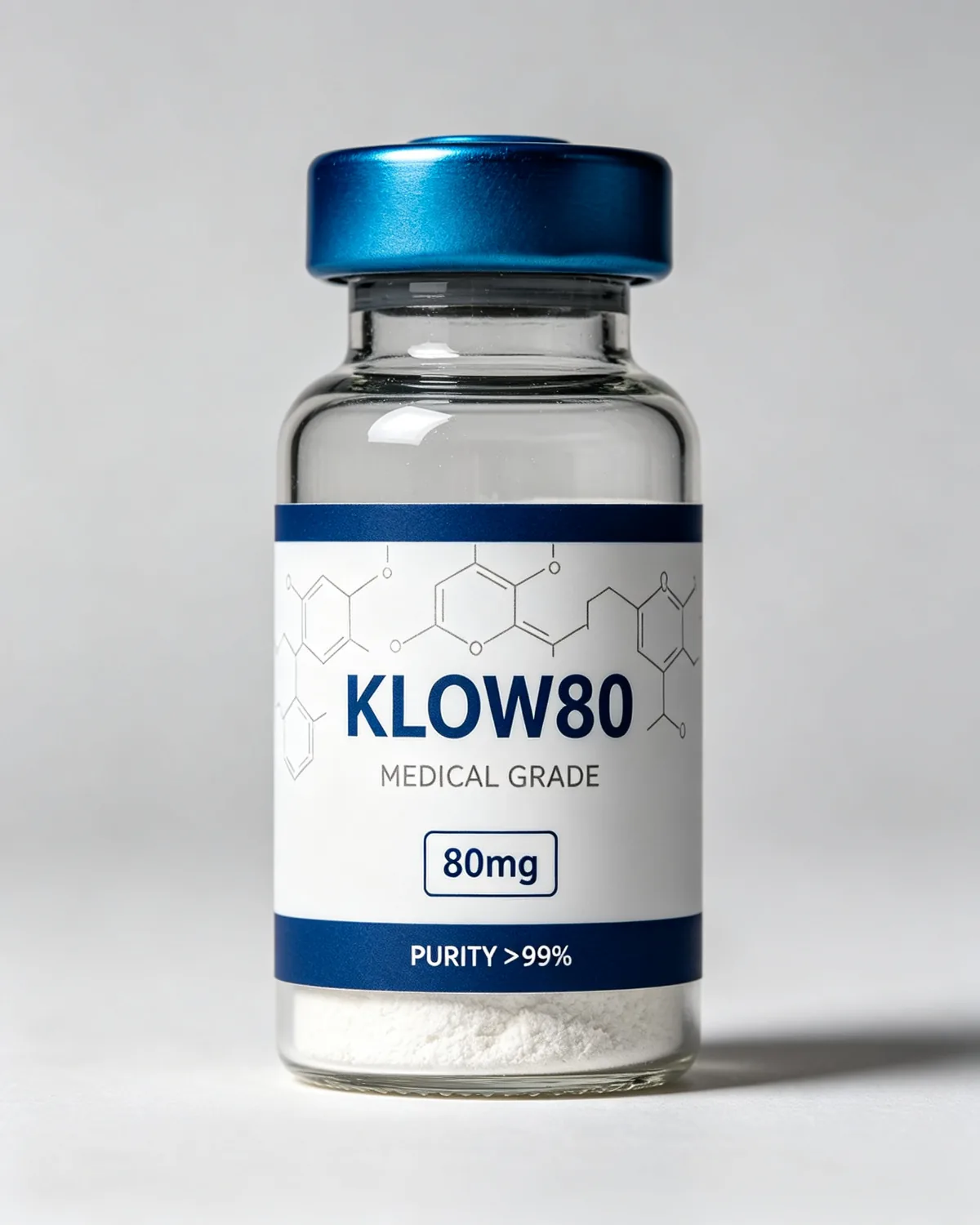
KLOW80 is a high-purity research peptide supplied in 80mg*10vials format. HPLC-MS verified purity above 99%, synthesized and lyophilized in the USA.
| Size | Per Box (10 vials) |
|---|---|
| 80mg*10vials | $163.90 |
Sold by the box —1 box = 10 vials. Per-vial reference price shown for comparison only.
KLOW80 is a proprietary, custom-formulated multi-peptide blend that combines eight distinct, well-researched peptide components into a single 80mg lyophilized vial, designed for investigational research in multiple physiological and metabolic pathways simultaneously. The KLOW80 formulation includes the following eight peptide components, each selected for its specific biological activity and potential synergistic interactions with the other components in the blend: (1) CJC-1295 (without DAC) — a tetrasubstituted peptide analog of growth hormone-releasing hormone (GHRH) that stimulates growth hormone (GH) release from the pituitary gland by binding to and activating the GHRH receptor (GHRHR) on somatotrophs; CJC-1295 without DAC (drug affinity complex) has a shorter half-life (~30 minutes) than CJC-1295 with DAC (~8-10 days), making it more suitable for pulsatile GH release protocols that mimic physiological GH secretion patterns; (2) Ipamorelin — a selective pentapeptide growth hormone secretagogue (GHS) and ghrelin receptor (GHS-R1a) agonist that stimulates GH release with high selectivity for GH over other pituitary hormones (prolactin, ACTH, cortisol), making it one of the most targeted and well-tolerated GHS compounds; (3) BPC-157 (Body Protection Compound-157) — a 15-amino-acid peptide derived from a protective protein found in human gastric juice, with well-documented tissue repair, wound healing, and cytoprotective effects, promoting the healing of tendons, ligaments, muscles, bones, and the gastrointestinal tract; (4) TB-500 (Thymosin Beta-4 fragment, specifically the N-terminal 1-4 fragment or the active 17-23 fragment [LKKTETQ]) — a synthetic peptide fragment of thymosin beta-4 (a 43-amino-acid peptide involved in tissue repair, cell migration, angiogenesis, and inflammation regulation), with TB-500 being the commercially available synthetic fragment that captures the key active region of thymosin beta-4; (5) Epithalon (Epitalon, Epithalon) — a synthetic tetrapeptide (Ala-Glu-Asp-Gly) analog of the pineal gland peptide epithalamin, with telomere-lengthening (via telomerase activation), antioxidant, and anti-aging effects, originally developed by the Russian gerontologist Professor Vladimir Khavinson at the St. Petersburg Institute of Bioregulation and Gerontology; (6) DSIP (Delta Sleep-Inducing Peptide) — a nonapeptide (Trp-Ala-Gly-Gly-Asp-Ala-Ser-Gly-Glu) originally isolated from rabbit cerebral venous blood during slow-wave sleep, with sleep-promoting, stress-reducing, neuroprotective, and metabolic regulatory effects; (7) Selank — a synthetic heptapeptide (Thr-Lys-Pro-Arg-Pro-Gly-Pro) analog of the endogenous immunomodulatory peptide tuftsin, developed in Russia, with anxiolytic (anti-anxiety), nootropic (cognitive-enhancing), neuroprotective, and immunomodulatory effects; and (8) Semax — a synthetic heptapeptide (Met-Glu-His-Phe-Pro-Gly-Pro) analog of the N-terminal fragment of adrenocorticotropic hormone (ACTH 4-10), developed in Russia, with nootropic (cognitive-enhancing), neuroprotective, anxiolytic, and anti-inflammatory effects. The KLOW80 formulation combines these eight peptide components into a single 80mg vial, with each component present at a specific dose designed to provide a balanced, multi-pathway physiological effect profile. The exact dosing ratio of each component in the KLOW80 blend is proprietary, but the formulation is designed to provide meaningful, research-relevant doses of each component when the full 80mg vial is reconstituted and administered according to typical research protocols. The rationale for combining these eight specific peptide components into a single formulation is based on the concept of multi-pathway synergism — the idea that combining peptides with complementary, non-overlapping mechanisms of action can produce broader, more comprehensive physiological effects than any single peptide alone, and that the components may work synergistically to enhance each other's effects. Specifically, the KLOW80 formulation covers the following key physiological pathways: (1) Growth hormone / IGF-1 axis stimulation (via CJC-1295 [GHRH analog] + Ipamorelin [GHS/ghrelin receptor agonist] — these two work synergistically, with CJC-1295 stimulating GHRH receptors and Ipamorelin stimulating GHS-R1a receptors, both converging on increased GH release from pituitary somatotrophs, producing a more robust GH response than either alone — this is the well-known "GHRH + GHS synergy" that is the basis of many popular peptide protocols like "CJC-1295 + Ipamorelin" or "Mod GRF + GHRP-2"); (2) Tissue repair and recovery (via BPC-157 + TB-500 — these two tissue repair peptides work through complementary mechanisms, with BPC-157 primarily promoting tendon/ligament/muscle/bone healing and gastrointestinal protection, and TB-500 primarily promoting cell migration, angiogenesis, and inflammation resolution, together providing comprehensive tissue repair and recovery support); (3) Anti-aging and cellular health (via Epithalon — telomerase activation, telomere lengthening, antioxidant effects, and pineal gland regulation, providing a distinct anti-aging/longevity pathway that complements the anabolic and repair pathways); (4) Sleep optimization and stress reduction (via DSIP — delta sleep-inducing peptide promotes slow-wave sleep, reduces stress hormones [cortisol], and provides neuroprotection, supporting recovery and overall physiological balance); (5) Cognitive enhancement and mood regulation (via Selank + Semax — these two Russian-developed nootropic peptides work through complementary mechanisms, with Selank primarily providing anxiolytic [anti-anxiety] and immunomodulatory effects, and Semax primarily providing cognitive enhancement [memory, focus, mental clarity] and neuroprotective effects, together supporting cognitive function, mood, and mental well-being). By combining all eight components into a single formulation, KLOW80 aims to provide a comprehensive, multi-system physiological effect profile that covers anabolic (muscle growth), metabolic (fat loss), reparative (tissue healing), anti-aging (telomere/cellular), sleep (recovery), and cognitive (mental performance) pathways simultaneously — potentially offering a more complete "overall health and performance" profile than any single peptide or simpler combination. The 80mg vial format provides a convenient, single-vial delivery system for this multi-component blend, eliminating the need for researchers to mix multiple individual peptide vials. The KLOW80 formulation is designed for investigational research use only, and the specific dosing, administration protocols, and physiological effects should be determined by the researcher based on the research objectives and the available scientific literature on each individual component. It is important to note that KLOW80 is a proprietary blend formulation, and the long-term safety, efficacy, and optimal dosing of this specific eight-component combination have not been extensively studied in human clinical trials — the effects of the blend are inferred from the known effects of each individual component and from the well-documented synergies between certain pairs (e.g., CJC-1295 + Ipamorelin, BPC-157 + TB-500), but the specific effects of the full eight-component combination may differ from the simple sum of individual component effects due to potential interactions (both synergistic and antagonistic) between the components. Researchers using KLOW80 should carefully review the scientific literature on each individual component, consider potential interactions, and start with conservative dosing to assess individual tolerance and response[1][2][3][4][5][6][7][8][9][10].
The KLOW80 formulation is based on the principle of multi-pathway synergism — the idea that combining peptides with complementary, non-overlapping mechanisms of action can produce broader, more comprehensive physiological effects than any single peptide alone, and that certain peptide combinations may produce synergistic effects (where the combined effect is greater than the simple sum of individual effects). The eight components of KLOW80 were specifically selected to cover six distinct, complementary physiological pathways, with several well-documented synergistic pairs built into the formulation:
Synergistic Pair 1: CJC-1295 (GHRH analog) + Ipamorelin (GHS/ghrelin receptor agonist) — Growth Hormone Axis Synergy. This is perhaps the most well-documented and widely used synergistic peptide combination in peptide research. CJC-1295 (a GHRH analog) stimulates the GHRH receptor (GHRHR) on pituitary somatotrophs, while Ipamorelin (a GHS) stimulates the ghrelin receptor (GHS-R1a) on the same somatotrophs. These two receptors activate distinct but complementary intracellular signaling pathways (GHRHR → Gs/cAMP/PKA; GHS-R1a → Gq/PLC/IP3/Ca2+), and when both are activated simultaneously, they produce a synergistic increase in GH release that is significantly greater than the sum of either peptide alone. This synergy is well-documented in the scientific literature and is the basis of the popular "CJC-1295 + Ipamorelin" or "Mod GRF + GHRP" protocols used by peptide researchers. By including both CJC-1295 and Ipamorelin in the KLOW80 blend, the formulation leverages this well-established synergy to produce a robust GH response — and because both components are present in a single vial, the researcher does not need to mix two separate vials. The use of CJC-1295 without DAC (rather than with DAC) is intentional: the shorter half-life (~30 min) allows for more physiological, pulsatile GH release (mimicking the natural pulsatile pattern of GH secretion, primarily at night), which is considered more physiological and potentially safer than the continuous, non-physiological GH elevation produced by CJC-1295 with DAC (half-life ~8-10 days). The use of Ipamorelin (rather than GHRP-2, GHRP-6, or hexarelin) is also intentional: Ipamorelin is the most selective GHS for GH release, with minimal effects on prolactin, ACTH, and cortisol — minimizing the risk of hormonal side effects that could be exacerbated by the other components in the blend.
Synergistic Pair 2: BPC-157 + TB-500 — Tissue Repair and Recovery Synergy. This is another well-documented and popular synergistic peptide combination. BPC-157 and TB-500 both promote tissue repair and wound healing, but they work through complementary mechanisms and have somewhat different tissue specificities: BPC-157 is particularly strong in tendon/ligament healing (tendon-to-bone healing), muscle repair, bone fracture healing, and gastrointestinal protection (gastric/duodenal ulcer healing, inflammatory bowel disease), working through mechanisms that include promotion of angiogenesis, fibroblast/tenocyte migration, growth factor modulation (TGF-β, FGF, VEGF), anti-inflammatory effects, and cytoprotection. TB-500 (a fragment of thymosin beta-4) is particularly strong in cell migration (endothelial cells, fibroblasts, keratinocytes, stem cells), angiogenesis (new blood vessel formation), inflammation resolution, and antifibrotic (anti-scar) effects, working primarily through actin sequestration/regulation (which is essential for cell migration and shape changes), promotion of endothelial cell migration and angiogenesis, and modulation of inflammation and fibrosis. When used together, BPC-157 + TB-500 provide comprehensive tissue repair coverage — BPC-157 provides the "healing stimulus" (particularly for tendons, ligaments, muscles, bones, and GI tract), while TB-500 provides the "cell migration and angiogenesis" support that delivers cells and nutrients to the healing site and resolves inflammation. This combination is one of the most popular peptide protocols for injury recovery, post-workout recovery, and tissue repair in peptide research. By including both BPC-157 and TB-500 in the KLOW80 blend, the formulation leverages this complementary tissue repair synergy to support comprehensive recovery — particularly relevant for researchers studying muscle/tendon/ligament injury, post-training recovery, and overall tissue health.
Synergistic Pair 3: DSIP (sleep) + CJC-1295/Ipamorelin (GH) — Sleep-GH Synergy. A less commonly discussed but physiologically important synergy exists between DSIP (delta sleep-inducing peptide) and the GH-stimulating components (CJC-1295 + Ipamorelin). Growth hormone (GH) is primarily released in pulses during deep (delta) sleep — approximately 70-80% of daily GH secretion occurs during the first few hours of deep sleep, particularly during slow-wave (delta) sleep stages. DSIP specifically promotes and enhances delta (slow-wave) sleep, which is the stage of sleep during which the majority of GH is released. Therefore, by promoting deep sleep, DSIP may synergize with the GH-stimulating effects of CJC-1295 + Ipamorelin — creating a more favorable physiological environment for GH release (both endogenous and pharmacologically stimulated). Additionally, DSIP reduces stress and cortisol (the "stress hormone," which is catabolic [muscle-breaking] and antagonistic to GH release), further supporting an anabolic environment. This sleep-GH synergy is a key rationale for including DSIP in a multi-component anabolic/recovery blend like KLOW80 — it supports the very physiological state (deep sleep) during which the anabolic effects of GH are most prominent.
Synergistic Pair 4: Selank + Semax — Nootropic/Cognitive Synergy. Selank and Semax are both Russian-developed nootropic peptides, but they have complementary profiles: Selank is primarily anxiolytic (anti-anxiety) and immunomodulatory, with secondary nootropic effects; Semax is primarily nootropic (cognitive-enhancing, memory, focus, mental clarity) and neuroprotective, with secondary anxiolytic effects. When used together, Selank + Semax provide comprehensive cognitive and mental health coverage — Selank reduces anxiety and stress (creating a calm, focused mental state), while Semax enhances cognitive function, memory, and mental clarity (providing the "mental performance" component). This combination is popular in Russian peptide research for cognitive enhancement, stress reduction, and overall mental performance. By including both Selank and Semax in the KLOW80 blend, the formulation provides comprehensive cognitive support — reducing anxiety/stress (which is catabolic via cortisol and detrimental to performance) while enhancing focus, memory, and mental clarity (which supports training motivation, adherence, and overall quality of life).
Distinct Pathway: Epithalon (Anti-Aging/Telomerase). Epithalon provides a distinct, non-overlapping pathway that is not covered by any other component in the KLOW80 blend: telomerase activation and telomere lengthening (the "telomere theory of aging"), plus antioxidant, pineal gland-regulating, and immunomodulatory effects. While the other components primarily address performance (anabolic, fat loss), recovery (tissue repair, sleep), and cognition (nootropic), Epithalon addresses the fundamental cellular aging process — telomere attrition, which is considered one of the primary hallmarks of aging. The inclusion of Epithalon in the KLOW80 blend reflects the concept of "comprehensive health optimization" — not just performance and recovery in the short term, but also long-term cellular health and anti-aging. Epithalon's antioxidant effects also complement the tissue repair (BPC-157, TB-500) and neuroprotective (Selank, Semax) components, as oxidative stress is a common factor in tissue damage, neurodegeneration, and aging.
Comprehensive Physiological Coverage of KLOW80. By combining these eight components (with four well-documented synergistic pairs and one distinct anti-aging pathway), KLOW80 aims to provide comprehensive coverage of six key physiological domains: (1) Anabolic/Muscle Growth (via CJC-1295 + Ipamorelin → GH/IGF-1 elevation → muscle protein synthesis, satellite cell activation, lean mass increase); (2) Metabolic/Fat Loss (via CJC-1295 + Ipamorelin → GH elevation → lipolysis [fat breakdown], reduced lipogenesis, improved body composition); (3) Recovery/Tissue Repair (via BPC-157 + TB-500 → tendon/ligament/muscle/bone healing, angiogenesis, cell migration, inflammation resolution, GI protection); (4) Sleep/Stress Reduction (via DSIP → deep delta sleep promotion, cortisol reduction, stress recovery, neuroprotection); (5) Cognitive/Mental Health (via Selank + Semax → anti-anxiety, memory enhancement, focus/mental clarity, neuroprotection, immunomodulation); (6) Anti-Aging/Cellular Health (via Epithalon → telomerase activation, telomere lengthening, antioxidant, pineal regulation, immune modulation). This comprehensive, multi-system coverage is the primary rationale for the KLOW80 formulation — rather than using multiple individual peptides (which would require mixing multiple vials and separate injections), KLOW80 provides all eight components in a single 80mg vial, offering convenience and the potential for synergistic interactions between the components. It is important to note that while the individual components and the synergistic pairs are well-documented in the scientific literature, the specific eight-component KLOW80 combination has not been extensively studied in human clinical trials, and the optimal dosing ratio, long-term safety, and precise effects of the full combination may differ from the simple sum of individual component effects. Researchers using KLOW80 should carefully review the literature on each component, start with conservative dosing, and monitor for individual responses and potential interactions[1][2][3][4][5][6][7][8][9][10].
Reconstitution of the 80mg KLOW80 vial. The KLOW80 80mg vial contains a lyophilized (freeze-dried) powder blend of the eight peptide components. To reconstitute, add bacteriostatic water (for multi-dose subcutaneous use) or sterile water (for single-dose IV/intranasal use or in vitro use) slowly down the side of the vial (not directly onto the powder, to avoid denaturation and foaming), then gently swirl to dissolve (do NOT shake vigorously — peptides can denature with vigorous shaking). The reconstitution volume can be chosen based on the desired concentration and typical dose: (a) adding 2mL yields 40mg/mL (40,000 mcg/mL) — suitable for high doses (5-20mg per administration); (b) adding 4mL yields 20mg/mL (20,000 mcg/mL) — suitable for moderate-high doses (2-10mg); (c) adding 8mL yields 10mg/mL (10,000 mcg/mL) — suitable for moderate doses (1-5mg), with good accuracy for most research protocols; (d) adding 10mL yields 8mg/mL (8,000 mcg/mL) — suitable for low-moderate doses (0.5-4mg). A general recommendation is to choose a reconstitution volume that puts the typical dose in the 0.1-1.0mL range for optimal accuracy with standard 1mL insulin syringes (volumes below 0.05mL are difficult to measure accurately). For example, if the typical dose is 5mg, adding 5mL (16mg/mL) gives 5mg = 0.31mL (easy to measure); if the typical dose is 2mg, adding 8mL (10mg/mL) gives 2mg = 0.2mL (easy to measure). Reconstituted KLOW80 is stable for 14-30 days when stored at 2-8°C (refrigerator), protected from light; do NOT freeze reconstituted peptide (freezing can cause denaturation and aggregation); for longer storage, aliquot into single-use volumes and store at -20°C (but avoid repeated freeze-thaw cycles). The lyophilized powder is stable for 24 months from date of manufacture when stored at -20°C, protected from light and moisture.
Typical research dosing and administration. Because KLOW80 is a proprietary multi-component blend, there are no established "standard" doses — dosing should be determined by the researcher based on the research objectives, the known dosing of each individual component, and individual tolerance. As a general reference, typical research doses for the individual components are: CJC-1295 (no DAC): 100-300 mcg per administration, 1-2x daily; Ipamorelin: 100-300 mcg per administration, 1-2x daily; BPC-157: 200-500 mcg per administration, 1-2x daily (or 1-10mcg/kg/day); TB-500: 2-5mg per administration (loading phase), then 1-2mg 2x weekly (maintenance); Epithalon: 1-5mg per administration, 1x daily for 10-20 day cycles; DSIP: 0.5-2mg per administration, typically at bedtime; Selank: 200-500 mcg per administration, 1-2x daily (or 1-3mcg/kg/day); Semax: 200-600 mcg per administration, 1-2x daily (or 1-3mcg/kg/day). The KLOW80 80mg vial is formulated to provide meaningful doses of each component when the full vial is used over a typical research cycle (e.g., 4-8 weeks). A common approach is to reconstitute the 80mg vial in 5-10mL and administer 0.5-1.0mL (approximately 4-16mg of total blend) per day, either as a single daily dose (often at bedtime, to leverage the DSIP sleep-promoting and GH-release-during-sleep effects) or split into two daily doses (morning and evening). The exact dosing should be individualized based on the researcher's objectives, tolerance, and response. Administration routes: subcutaneous (SC) injection is the most common route for systemic peptide administration (into the fat layer of the abdomen, thigh, or buttock, rotating injection sites); intramuscular (IM) is also possible but less common for peptides; intranasal administration is used for some peptides (particularly Selank and Semax, which have good nasal bioavailability) but may not be ideal for a multi-component blend (different components may have different nasal absorption characteristics); intravenous (IV) is used for acute studies but is less practical for chronic research protocols. For in vitro cell culture, reconstitute KLOW80 in sterile water or culture medium to a stock concentration, then dilute to the desired final concentration in culture medium (note: different components may have different optimal in vitro concentrations, and the blend may need to be adjusted based on the specific cell type and research objective).
Safety considerations and potential side effects of KLOW80. Because KLOW80 is a multi-component blend, the safety profile is determined by the combined effects of all eight components. Each individual component is generally considered to have a favorable safety profile in preclinical and early clinical studies, but the combination may have additive or interactive effects. Potential side effects of KLOW80 (inferred from the known side effects of individual components) include: (1) GH-related side effects (from CJC-1295 + Ipamorelin): headache (most common, particularly at initiation or higher doses), flushing/warmth (transient, vasodilatory), nausea/GI effects (mild, initiation), fatigue/lethargy (mild), injection site reactions (mild redness/swelling/pain, rotate sites), transient insulin resistance/glucose elevation (at higher doses, monitor in diabetics), arthralgia/joint pain (higher doses/prolonged use), edema/fluid retention (higher doses), carpal tunnel syndrome/paresthesia (higher doses/prolonged use, usually resolves with dose reduction), increased hunger/appetite (ghrelin receptor activation, but Ipamorelin is selective and may have less appetite effect than ghrelin/GHRP), rare — gynecomastia/breast tenderness (minimal with Ipamorelin due to selectivity, unlike GHRP-2/hexarelin), rare — elevated cortisol/ACTH (minimal with Ipamorelin due to selectivity); (2) Tissue repair-related side effects (from BPC-157 + TB-500): generally minimal — BPC-157 has a very favorable safety profile with few reported side effects even at high doses; TB-500 (thymosin beta-4 fragment) is also generally well-tolerated; potential rare effects include mild nausea, fatigue, or injection site reactions; there is a theoretical concern that tissue repair peptides could potentially promote the growth of existing tumors or fibrotic tissue (because they promote cell proliferation and angiogenesis), so they should be used with caution or avoided in individuals with active cancer or certain fibrotic conditions; (3) Sleep-related side effects (from DSIP): generally minimal — DSIP promotes sleep, so the primary "side effect" may be drowsiness or sleepiness (which is usually the desired effect when administered at bedtime); if administered during the day, it may cause drowsiness; rare — vivid dreams or changes in sleep architecture; (4) Cognitive/nootropic-related side effects (from Selank + Semax): generally minimal — both Selank and Semax are considered to have very favorable safety profiles with few side effects; potential rare effects include mild nausea, headache, or mild anxiety (paradoxical, in some individuals); unlike stimulant-based nootropics, Selank and Semax do not cause jitteriness, insomnia, or dependence; (5) Anti-aging-related side effects (from Epithalon): generally minimal — Epithalon is a very small tetrapeptide with a very favorable safety profile and few reported side effects; potential rare effects include mild fatigue or headache; there is a theoretical concern that telomerase activation could potentially promote the growth of existing cancer cells (because telomerase is active in many cancers and allows them to divide indefinitely), so Epithalon should be used with caution or avoided in individuals with active cancer or a strong family history of cancer (this is a theoretical concern that has not been definitively demonstrated in preclinical or clinical studies, but it is an important consideration). (6) Combination-specific considerations: because KLOW80 contains multiple components that affect the endocrine system (CJC-1295, Ipamorelin, DSIP, possibly Epithalon), there may be additive hormonal effects — researchers should monitor hormone levels (GH, IGF-1, testosterone, estradiol, cortisol, thyroid) periodically, particularly with long-term use; the combination of GH-stimulating peptides (CJC-1295 + Ipamorelin) with tissue repair peptides (BPC-157 + TB-500) may have synergistic effects on muscle growth and recovery (GH/IGF-1 provides the anabolic stimulus, BPC-157/TB-500 provides the tissue repair support), but this also means that the anabolic effects may be more pronounced than with either alone — dosing should be conservative initially. (7) Contraindications: known hypersensitivity to any of the eight components or any excipient; active malignancy (active cancer — theoretical concern with GH/IGF-1 elevation [can stimulate tumor growth], BPC-157/TB-500 [can promote cell proliferation/angiogenesis], and Epithalon [telomerase activation]); history of certain cancers (particularly prostate, breast, colorectal — use extreme caution or avoid); active or untreated pituitary tumors (GH-stimulating peptides could theoretically stimulate pituitary tumor growth); proliferative diabetic retinopathy (GH can worsen retinal neovascularization); pregnancy and breastfeeding (insufficient safety data for any of these components in pregnancy/lactation); and (for athletes) WADA prohibition — CJC-1295, Ipamorelin, and other GH secretagogues/releasing factors are banned by the World Anti-Doping Agency (WADA) as peptide hormones/growth factors and their releasing factors, prohibited both in-competition and out-of-competition. (8) Important note: KLOW80 is a research chemical/investigational compound — it is NOT approved by the FDA or any other regulatory agency for human consumption or therapeutic use. The research-grade KLOW80 supplied by Amideworks is intended for laboratory and investigational use only. The specific eight-component combination has not been extensively studied in human clinical trials, and the long-term safety, optimal dosing, and precise effects of the combination are not fully established. Researchers should carefully review the scientific literature on each individual component, consult with qualified medical/research professionals, start with conservative dosing, and monitor for individual responses and potential side effects[1][2][3][4][5][6][7][8][9][10].
| SKU | KLOW80-80MG |
| Category | Research Peptides / Multi-Peptide Blends / Growth Hormone Secretagogues / GHRH Analogs / Tissue Repair / Anti-Aging / Nootropics / Sleep Support / Muscle Hypertrophy / Fat Loss / Recovery / Investigational |
| Other Names | KLOW80, KLOW-80, KLOW 80mg, Multi-Peptide Blend 80mg, Custom Peptide Blend (CJC-1295 + Ipamorelin + BPC-157 + TB-500 + Epithalon + DSIP + Selank + Semax), 80mg Multi-Peptide Vial |
| Molecular Formula | Proprietary blend — see individual components |
| Molecular Weight | Proprietary blend — see individual components (total 80mg per vial) |
| CAS Number | Proprietary blend (individual component CAS numbers available on request) |
| Formulation | Proprietary multi-peptide blend containing EIGHT active peptide components in a single 80mg lyophilized vial: (1) CJC-1295 (without DAC) — GHRH analog, pulsatile GH release (~30 min half-life); (2) Ipamorelin (NNC 26-0161) — selective GHS/ghrelin receptor agonist, high GH selectivity (minimal prolactin/ACTH/cortisol); (3) BPC-157 (Body Protection Compound-157) — 15-aa tissue repair peptide (tendon/ligament/muscle/bone/GI healing); (4) TB-500 (Thymosin Beta-4 fragment) — cell migration/angiogenesis/tissue repair fragment; (5) Epithalon (Epitalon, Ala-Glu-Asp-Gly) — telomerase-activating anti-aging tetrapeptide; (6) DSIP (Delta Sleep-Inducing Peptide) — 9-aa sleep-promoting/stress-reducing peptide; (7) Selank (Thr-Lys-Pro-Arg-Pro-Gly-Pro) — anxiolytic/nootropic/immunomodulatory heptapeptide (tuftsin analog); (8) Semax (Met-Glu-His-Phe-Pro-Gly-Pro) — nootropic/neuroprotective heptapeptide (ACTH 4-10 analog). Each component present at a proprietary, research-relevant dose designed for balanced multi-pathway physiological effects. Total peptide content: 80mg per vial. Exact component ratios are proprietary. Formulated for investigational research use only. Lyophilized (freeze-dried) powder for reconstitution. |
| Mechanism | MULTI-PATHWAY SYNERGISTIC BLEND — eight components covering six distinct, complementary physiological pathways with four well-documented synergistic pairs: PATHWAY 1 — GROWTH HORMONE AXIS (CJC-1295 + Ipamorelin SYNERGY): CJC-1295 (GHRH analog) binds GHRHR (Class B GPCR, Gs/cAMP/PKA) on pituitary somatotrophs → ↑GH synthesis/release; Ipamorelin (selective GHS) binds GHS-R1a (ghrelin receptor, Class A GPCR, Gq/PLC/IP3/Ca2+) on somatotrophs → ↑GH release; TOGETHER = SYNERGISTIC GH release (greater than sum of either alone — two distinct receptor pathways converging on somatotroph GH release); ↑GH → ↑hepatic/peripheral IGF-1 → anabolic (muscle protein synthesis via mTOR, satellite cell activation, ↑lean mass), lipolytic (↑HSL, β-adrenergic sensitivity, ↓lipogenesis, ↓visceral fat), tissue repair, bone/collagen synthesis. CJC-1295 WITHOUT DAC (short half-life ~30 min) = pulsatile, physiological GH release (mimics natural nocturnal pulses); Ipamorelin = HIGH SELECTIVITY for GH (minimal prolactin/ACTH/cortisol, unlike GHRP-2/hexarelin). PATHWAY 2 — TISSUE REPAIR/RECOVERY (BPC-157 + TB-500 COMPLEMENTARY): BPC-157 (15-aa gastric peptide) → tendon/ligament healing (tendon-to-bone), muscle repair, bone fracture healing, skin wound healing, GI protection (gastric/duodenal ulcers, IBD), liver/heart/brain/corneal repair; mechanisms: angiogenesis (VEGF), fibroblast/tenocyte migration, growth factor modulation (TGF-β, FGF, PDGF, EGF), anti-inflammatory (cytokines, NF-κB), cytoprotection, NO system modulation; TB-500 (thymosin beta-4 fragment) → cell migration (endothelial, fibroblasts, keratinocytes, stem cells), angiogenesis (new blood vessels), inflammation resolution, antifibrotic/anti-scar, cardioprotection, neuroprotection; mechanisms: actin sequestration/regulation (essential for cell migration/shape), endothelial cell migration/differentiation, inflammation modulation; TOGETHER = COMPREHENSIVE tissue repair (BPC-157 = healing stimulus [tendons/ligaments/muscles/bones/GI], TB-500 = cell migration/angiogenesis/inflammation resolution — delivers cells/nutrients to healing site). PATHWAY 3 — SLEEP/STRESS (DSIP): DSIP (9-aa) → promotes delta (slow-wave) deep sleep (the restorative sleep stage during which ~70-80% of GH is released — SYNERGIZES with GH axis components), reduces stress/cortisol (HPA axis modulation — catabolic stress hormone reduction, supports anabolic environment), neuroprotection, metabolic regulation (glucose, BP, temperature), analgesic, anticonvulsant; mechanisms: serotonergic/GABAergic modulation, HPA axis regulation, neuronal excitability modulation. PATHWAY 4 — COGNITIVE/MENTAL (Selank + Semax COMPLEMENTARY): Selank (7-aa tuftsin analog) → anxiolytic (anti-anxiety, NON-SEDATING — no benzodiazepine-like sedation/dependence/withdrawal), nootropic (memory, attention, mental clarity under stress), neuroprotective, immunomodulatory (normalizes immune function), antioxidant; mechanisms: serotonergic/GABAergic modulation, HPA axis regulation (reduces stress cortisol), BDNF upregulation, neurotransmitter modulation; Semax (7-aa ACTH 4-10 analog, NO hormonal effects) → nootropic (memory [short/long/working], learning, attention/focus, mental clarity, executive function, processing speed — used clinically in Russia for cognitive impairment/stroke recovery), neuroprotective (oxidative stress, excitotoxicity, ischemic injury [stroke — reduces infarct size], TBI), anxiolytic (mild), anti-inflammatory (neuroinflammation), analgesic; mechanisms: neurotransmitter modulation (dopamine, serotonin, norepinephrine, acetylcholine), BDNF/NGF upregulation, cerebral blood flow/energy metabolism, neuronal plasticity/synapse formation, antioxidant, anti-excitotoxic; TOGETHER = COMPREHENSIVE cognitive support (Selank = anxiolytic/immunomodulatory [calm, focused state], Semax = cognitive-enhancing/neuroprotective [memory, focus, mental clarity]). PATHWAY 5 — ANTI-AGING/CELLULAR (Epithalon, DISTINCT pathway): Epithalon (4-aa, Ala-Glu-Asp-Gly) → telomerase ACTIVATION (enzyme that adds TTAGGG repeats to chromosome ends → telomere LENGTHENING — telomere shortening is a primary hallmark of aging ["telomere theory of aging"]), extends cellular replicative lifespan, increases mean/maximum lifespan in animals (25-30%), reduces age-related pathology/tumor incidence; additional: antioxidant (SOD, catalase, glutathione peroxidase), pineal gland/melatonin regulation (circadian/sleep), immunomodulation (improves immunosenescence), gene expression regulation, neuroprotection, metabolic effects; mechanisms: telomerase activation, gene expression modulation, antioxidant enzyme upregulation, pineal regulation. PATHWAY 6 — METABOLIC/BODY COMPOSITION (via GH axis + DSIP + Epithalon): ↑lipolysis, ↓lipogenesis, improved insulin sensitivity (pulsatile GH more physiological than continuous), glucose regulation (DSIP, Epithalon), lipid profile improvement (Epithalon). NET EFFECTS: Anabolic/muscle growth (GH/IGF-1), fat loss (GH lipolysis), tissue repair/recovery (BPC-157+TB-500), sleep optimization/stress reduction (DSIP), cognitive enhancement/mood (Selank+Semax), anti-aging/cellular health (Epithalon). FOUR SYNERGISTIC PAIRS: (1) CJC-1295 + Ipamorelin (GH axis synergy — well-documented); (2) BPC-157 + TB-500 (tissue repair complementarity — popular combination); (3) DSIP + CJC-1295/Ipamorelin (sleep-GH synergy — deep sleep = primary GH release time); (4) Selank + Semax (nootropic complementarity — popular Russian peptide combination). ONE DISTINCT PATHWAY: Epithalon (telomerase/anti-aging — not covered by other components). IMPORTANT: KLOW80 is a PROPRIETARY BLEND — the exact eight-component combination has NOT been extensively studied in human clinical trials; effects are inferred from individual component literature and documented synergies; optimal dosing/long-term safety of the specific combination not fully established. |
| Pharmacokinetics | Multi-component blend — pharmacokinetics vary by component: CJC-1295 (no DAC): SC Tmax ~15-30 min, half-life ~30 min, GH peak ~30-60 min, GH duration ~2-4 hr, IGF-1 rises gradually/sustained with repeated dosing; Ipamorelin: SC Tmax ~15-30 min, half-life ~1-2 hr, GH peak ~30-60 min, GH duration ~2-4 hr; BPC-157: SC/IM/oral/intranasal, half-life ~short (peptide, but proteolytically stable due to cyclic/modified structure?), tissue accumulation at injury sites, duration ~12-24 hr per dose; TB-500 (thymosin beta-4 fragment): SC/IM, half-life ~hours, tissue accumulation, duration ~several days (loading then maintenance dosing typical); Epithalon: SC/IM/oral/intranasal, very small (4 aa), good bioavailability, half-life ~short, telomerase effects persist after dosing cycles (cyclic dosing typical: 10-20 days on, then off); DSIP: SC/IM/intranasal, half-life ~short (minutes to ~1 hr), sleep effects within ~30-60 min, duration ~6-8 hr (typically dosed at bedtime); Selank: SC/IM/intranasal (good nasal bioavailability), half-life ~short (~minutes to ~1 hr, but Pro-Gly-Pro C-terminal confers proteolytic resistance), effects persist beyond half-life (neuromodulatory), typically dosed 1-2x daily; Semax: SC/IM/intranasal (excellent nasal bioavailability — common route in Russia), half-life ~short (~minutes to ~1 hr, modified ACTH fragment with proteolytic resistance), effects persist beyond half-life (neuromodulatory, BDNF upregulation), typically dosed 1-2x daily. BLEND CONSIDERATIONS: Because components have different half-lives, the 80mg vial is typically reconstituted and administered as a daily dose (single or split) to maintain steady-state exposure of the shorter-half-life components while the longer-acting components (TB-500, Epithalon) accumulate with repeated dosing. SC administration is most common for systemic delivery of all components. Reconstituted blend stable 14-30 days at 4°C. Lyophilized powder stable 24 months at -20°C. |
| Clinical Status | Investigational research compound / proprietary blend; NOT FDA-approved or approved by any other major regulatory agency for any clinical indication as of 2026. KLOW80 is a custom-formulated multi-peptide blend — the specific eight-component combination has NOT been extensively studied in human clinical trials, and its safety, efficacy, and optimal dosing are not fully established. The effects of the blend are inferred from: (1) the known effects of each individual component (each component has its own preclinical and/or clinical research base); (2) well-documented synergies between certain pairs (CJC-1295 + Ipamorelin [GH axis synergy], BPC-157 + TB-500 [tissue repair complementarity], Selank + Semax [nootropic complementarity], DSIP + GH axis [sleep-GH synergy]). Individual component clinical status: CJC-1295 — investigational (was in clinical development for GH deficiency, HIV lipodystrophy, but not approved); Ipamorelin — investigational (Novo Nordisk clinical development for GH deficiency, not approved); BPC-157 — investigational (extensive preclinical research by Croatian researchers, limited human data, not approved); TB-500/thymosin beta-4 — investigational (thymosin beta-4 in clinical trials for wound healing, myocardial infarction, dry eye; TB-500 fragment is research-grade, not approved); Epithalon — investigational (extensive Russian preclinical/clinical research by Khavinson, used as a peptide bioregulator in Russia, not FDA-approved); DSIP — investigational (extensive preclinical research, limited clinical data, not approved); Selank — approved medication in Russia for anxiety/cognitive disorders (registered as an anxiolytic/nootropic drug), not FDA-approved in US; Semax — approved medication in Russia for cognitive impairment, stroke recovery, attention disorders (registered as a nootropic/neuroprotective drug), not FDA-approved in US. WADA status: CJC-1295 and Ipamorelin (and other GH secretagogues/releasing factors) are BANNED by WADA (peptide hormones/growth factors/releasing factors, in-competition and out-of-competition) due to performance-enhancing potential; the other components (BPC-157, TB-500, Epithalon, DSIP, Selank, Semax) may also be subject to anti-doping regulations depending on jurisdiction and specific classification. Research-grade blend widely used in peptide research for comprehensive multi-pathway physiological effects (anabolic, fat loss, recovery, sleep, cognition, anti-aging); popular in bodybuilding/performance research (controversial, not approved, contains WADA-banned GH secretagogues) |
| Clinical Data | KLOW80 is a proprietary blend — no specific clinical trials of the exact eight-component combination. Effects inferred from individual component data and documented synergies: GH AXIS (CJC-1295 + Ipamorelin synergy): clinical studies — combined GHRH analog + GHS produces robust, synergistic GH release (greater than sum of either alone); ↑IGF-1 with repeated dosing; ↑lean body mass, ↓fat mass (particularly visceral), improved body composition; pulsatile GH release (CJC-1295 no-DAC) more physiological than continuous GH; Ipamorelin high selectivity = minimal prolactin/ACTH/cortisol (fewer side effects than GHRP-2/hexarelin); common side effects — headache, flushing, nausea, fatigue, injection site reactions, transient insulin resistance (higher doses), edema, arthralgia, carpal tunnel (higher doses/prolonged use). TISSUE REPAIR (BPC-157 + TB-500): preclinical studies (extensive for BPC-157 by Croatian researchers) — BPC-157 promotes tendon/ligament healing (tendon-to-bone), muscle repair, bone fracture healing, skin wound healing, gastric/duodenal ulcer healing, IBD protection, liver/heart/brain/corneal repair; very favorable safety profile (minimal side effects even at high doses); TB-500 (thymosin beta-4 fragment) — promotes cell migration, angiogenesis, inflammation resolution, antifibrotic effects; thymosin beta-4 in clinical trials for wound healing, MI, dry eye; generally well-tolerated; theoretical concern — tissue repair peptides may promote growth of existing tumors/fibrosis (use caution in active cancer). SLEEP/STRESS (DSIP): preclinical/limited clinical studies — promotes delta (slow-wave) deep sleep, reduces stress/cortisol, neuroprotective, metabolic regulation; generally well-tolerated; primary "side effect" = drowsiness (desired at bedtime). COGNITIVE (Selank + Semax): Selank — Russian clinical studies, approved in Russia as anxiolytic/nootropic; non-sedating anti-anxiety (no benzodiazepine side effects), improves memory/attention under stress, immunomodulatory, neuroprotective; very favorable safety; Semax — Russian clinical studies, approved in Russia for cognitive impairment/stroke recovery; improves memory, learning, attention, mental clarity, executive function; neuroprotective (reduces stroke infarct size, improves recovery); anti-inflammatory; very favorable safety (no hormonal effects, no sedation, no dependence unlike stimulants); combination Selank+Semax = comprehensive cognitive support (anxiolytic + nootropic). ANTI-AGING (Epithalon): Russian preclinical/clinical studies (Khavinson) — activates telomerase, lengthens telomeres, extends cellular replicative lifespan; increases animal mean/maximum lifespan 25-30%, reduces age-related pathology/tumors; antioxidant, pineal/melatonin regulation, immunomodulation, neuroprotection; very favorable safety (very small 4-aa peptide, low immunogenicity); theoretical concern — telomerase activation could promote existing cancer cell growth (use caution in active cancer/family history). BLEND SAFETY: inferred from individual components — generally favorable, but combination may have additive endocrine effects (monitor GH, IGF-1, testosterone, estradiol, cortisol, thyroid periodically with long-term use); GH-stimulating components + tissue repair components may have synergistic anabolic/recovery effects (start conservative); contraindications — hypersensitivity to any component, active malignancy (theoretical concern with GH/IGF-1, tissue repair peptides, telomerase), history of certain cancers (prostate, breast, colorectal — caution), active/untreated pituitary tumors, proliferative diabetic retinopathy, pregnancy/breastfeeding, WADA ban (GH secretagogues); NOT approved for any clinical use |
| Available Size | 80mg vial (multi-peptide blend) |
| Purity | ≥99.50% (HPLC) — each component individually tested |
| Endotoxin | < 0.5 EU/mg (LAL assay) |
| Appearance | White to off-white lyophilized powder (blend) |
| Solubility | Soluble in sterile water or bacteriostatic water; stable in solution 14-30 days at 4°C, protect from light; avoid repeated freeze-thaw |
| Reconstitution | Add 2-10 mL bacteriostatic/sterile water → 40-8 mg/mL (40,000-8,000 mcg/mL); choose volume based on desired dose accuracy: (a) +2mL → 40mg/mL: high doses (5-20mg); (b) +4mL → 20mg/mL: moderate-high doses (2-10mg); (c) +5mL → 16mg/mL: moderate doses (1.6-8mg); (d) +8mL → 10mg/mL: moderate doses (1-5mg, good accuracy); (e) +10mL → 8mg/mL: low-moderate doses (0.8-4mg). Recommendation: choose volume that puts typical dose in 0.1-1.0mL range for optimal accuracy with 1mL insulin syringes (volumes <0.05mL difficult to measure). Add water slowly down vial side (not directly on powder — avoids denaturation/foaming); gently swirl to dissolve (do NOT shake vigorously — peptide denaturation risk). Typical research dose: 2-10mg total blend per administration (SC), 1-2x daily; common protocol: single daily dose at bedtime (leverages DSIP sleep-promoting + GH-during-deep-sleep effects), or split AM+PM; 80mg vial = 8-40 doses at 2-10mg (sufficient for 4-40 days once-daily, 2-20 days twice-daily). Cyclic dosing typical (e.g., 4-8 weeks on, then evaluate/off period) — particularly for Epithalon (cyclic 10-20 day cycles) and GH axis components (periodic off-periods to allow receptor recovery). In vitro: reconstitute in sterile water/culture medium to stock, dilute to desired final concentration (note: different components may have different optimal in vitro concentrations). |
| Storage | -20°C, protect from light and moisture |
| Shelf Life | 24 months from date of manufacture (lyophilized) |
| Shipping | Room temperature with cold pack |
| Safety | For laboratory and investigational use only; NOT for human consumption or therapeutic use; KLOW80 is a proprietary multi-peptide blend containing eight components — safety profile inferred from individual components and documented synergies; the exact eight-component combination has NOT been extensively studied in human clinical trials. Potential side effects (inferred from individual components): GH-RELATED (CJC-1295 + Ipamorelin): headache (most common, initiation/higher doses), flushing/warmth (transient, vasodilatory), nausea/GI effects (mild, initiation), fatigue/lethargy (mild), injection site reactions (mild redness/swelling/pain, rotate sites), transient insulin resistance/glucose elevation (higher doses, monitor in diabetics), arthralgia/joint pain (higher doses/prolonged use), edema/fluid retention (higher doses), carpal tunnel syndrome/paresthesia (higher doses/prolonged use, usually resolves with dose reduction), increased hunger/appetite (ghrelin receptor activation, but Ipamorelin selective — less than ghrelin/GHRP), RARE — gynecomastia/breast tenderness (minimal with Ipamorelin due to selectivity, unlike GHRP-2/hexarelin), RARE — elevated cortisol/ACTH (minimal with Ipamorelin due to selectivity). TISSUE REPAIR-RELATED (BPC-157 + TB-500): generally MINIMAL — BPC-157 has very favorable safety (few side effects even at high doses); TB-500 generally well-tolerated; rare — mild nausea, fatigue, injection site reactions; THEORETICAL CONCERN — tissue repair peptides (promote cell proliferation/angiogenesis) could potentially promote growth of existing tumors or fibrotic tissue — use caution/avoid in active cancer or certain fibrotic conditions. SLEEP-RELATED (DSIP): generally MINIMAL — primary "side effect" = drowsiness/sleepiness (usually desired when dosed at bedtime); if dosed during day, may cause drowsiness; rare — vivid dreams, sleep architecture changes. COGNITIVE-RELATED (Selank + Semax): generally MINIMAL — both considered very favorable safety (few side effects); rare — mild nausea, headache, or paradoxical mild anxiety (some individuals); NO stimulant-like side effects (no jitteriness, insomnia, dependence — unlike stimulant nootropics); Selank = NON-SEDATING anxiolytic (no benzodiazepine-like sedation/dependence/withdrawal); Semax = NO hormonal effects (modified ACTH fragment without corticosteroid stimulation). ANTI-AGING-RELATED (Epithalon): generally MINIMAL — very small 4-aa peptide with very favorable safety; rare — mild fatigue, headache; THEORETICAL CONCERN — telomerase activation could potentially promote growth of existing cancer cells (telomerase active in many cancers, allows indefinite division) — use caution/avoid in active cancer or strong family history (theoretical, not definitively demonstrated). COMBINATION-SPECIFIC: (1) Additive endocrine effects — multiple components affect endocrine system (CJC-1295, Ipamorelin, DSIP, possibly Epithalon); monitor hormone levels (GH, IGF-1, testosterone, estradiol, cortisol, thyroid) periodically with long-term use; (2) Synergistic anabolic effects — GH-stimulating (CJC-1295+Ipamorelin) + tissue repair (BPC-157+TB-500) may have synergistic muscle growth/recovery effects; start conservative; (3) Sleep-GH synergy — DSIP promotes deep sleep (primary GH release time), may enhance GH axis effects; (4) Individual variability — response to multi-component blends can vary significantly between individuals; start with low dose and titrate. CONTRAINDICATIONS: known hypersensitivity to ANY of the eight components or any excipient; ACTIVE MALIGNANCY (active cancer — theoretical concern with GH/IGF-1 [stimulates tumor growth], BPC-157/TB-500 [promotes cell proliferation/angiogenesis], Epithalon [telomerase activation]); history of certain cancers (particularly prostate, breast, colorectal — extreme caution or avoid); active or untreated PITUITARY TUMORS (GH-stimulating peptides could theoretically stimulate pituitary tumor growth); PROLIFERATIVE DIABETIC RETINOPATHY (GH can worsen retinal neovascularization); PREGNANCY and BREASTFEEDING (insufficient safety data for any component in pregnancy/lactation); WADA PROHIBITION — CJC-1295 and Ipamorelin (and other GH secretagogues/releasing factors) are BANNED by WADA (peptide hormones/growth factors/releasing factors/mimetics, in-competition AND out-of-competition) due to performance-enhancing potential; athletes should avoid KLOW80 (contains banned GH secretagogues). Drug interactions: insulin/oral hypoglycemics (GH can cause insulin resistance — monitor glucose, adjust doses), recombinant GH/IGF-1 (additive GH/IGF-1 effects — increased side effects), other GHS/GHRH compounds (additive GH effects), anabolic steroids/peptides (additive anabolic effects, increased side effect risk), corticosteroids (GH may counteract catabolic effects, but monitor glucose/bone), anticoagulants (monitor bleeding/bruising at injection sites), cancer therapies (GH/IGF-1 and tissue repair factors may theoretically reduce chemo/radiation efficacy by protecting cancer cells — avoid in active cancer treatment), sedatives/hypnotics (DSIP may have additive sedative effects — use caution), benzodiazepines/SSRIs (Selank may have additive anxiolytic effects — monitor for excessive sedation or serotonin-related effects). As of 2026, KLOW80 is NOT approved by the FDA or any other regulatory agency for any clinical indication — it is a research chemical/investigational proprietary blend. The research-grade KLOW80 supplied by Amideworks is manufactured under strict quality control with HPLC purity verification and mass spectrometry identity confirmation for each component, and is intended for laboratory and investigational use only, not for human consumption or therapeutic use |
KLOW80 is a proprietary, custom-formulated multi-peptide blend that combines eight distinct, well-researched peptide components into a single 80mg lyophilized vial, designed for investigational research in multiple physiological and metabolic pathways simultaneously. The eight components are: (1) CJC-1295 (without DAC) — a GHRH (growth hormone-releasing hormone) analog that stimulates pulsatile growth hormone (GH) release from the pituitary via GHRH receptor activation (short half-life ~30 min, suitable for physiological pulsatile GH release); (2) Ipamorelin (NNC 26-0161) — a selective pentapeptide growth hormone secretagogue (GHS) and ghrelin receptor (GHS-R1a) agonist that stimulates GH release with high selectivity for GH over other pituitary hormones (prolactin, ACTH, cortisol — minimizing side effects like gynecomastia and cortisol elevation seen with less selective GHS like GHRP-2/hexarelin); (3) BPC-157 (Body Protection Compound-157) — a 15-amino-acid peptide derived from human gastric juice with remarkable tissue repair, wound healing, and cytoprotective effects (tendon/ligament/muscle/bone/GI healing); (4) TB-500 (Thymosin Beta-4 fragment) — a synthetic fragment of thymosin beta-4 that promotes cell migration, angiogenesis (new blood vessel formation), tissue repair, and inflammation resolution; (5) Epithalon (Epitalon, Ala-Glu-Asp-Gly) — a synthetic tetrapeptide developed by Russian gerontologist Vladimir Khavinson that activates telomerase (the enzyme that lengthens telomeres), with anti-aging, antioxidant, and pineal gland-regulating effects; (6) DSIP (Delta Sleep-Inducing Peptide) — a nonapeptide that promotes deep delta (slow-wave) sleep (the restorative sleep stage during which ~70-80% of GH is released), reduces stress and cortisol, and provides neuroprotection; (7) Selank (Thr-Lys-Pro-Arg-Pro-Gly-Pro) — a Russian-developed heptapeptide analog of tuftsin with anxiolytic (anti-anxiety, non-sedating), nootropic (cognitive-enhancing), neuroprotective, and immunomodulatory effects (approved as a medication in Russia); (8) Semax (Met-Glu-His-Phe-Pro-Gly-Pro) — a Russian-developed heptapeptide analog of ACTH 4-10 (without hormonal effects) with potent nootropic (memory, focus, mental clarity), neuroprotective (stroke recovery, TBI), and anxiolytic effects (approved as a medication in Russia for cognitive impairment and stroke recovery). The rationale for combining these eight components is based on multi-pathway synergism — combining peptides with complementary, non-overlapping mechanisms produces broader, more comprehensive physiological effects than any single peptide alone, with several well-documented synergistic pairs: (a) CJC-1295 + Ipamorelin = GH axis synergy (GHRH receptor + ghrelin receptor activation on the same somatotrophs produces synergistic GH release greater than either alone — this is the basis of the popular "CJC-1295 + Ipamorelin" protocol); (b) BPC-157 + TB-500 = complementary tissue repair (BPC-157 = healing stimulus for tendons/ligaments/muscles/bones/GI, TB-500 = cell migration/angiogenesis/inflammation resolution that delivers cells/nutrients to healing sites — this is a popular injury recovery combination); (c) DSIP + CJC-1295/Ipamorelin = sleep-GH synergy (DSIP promotes deep delta sleep, which is the primary time of endogenous GH release, creating a more favorable environment for GH action); (d) Selank + Semax = complementary nootropic support (Selank = anxiolytic/immunomodulatory [calm focused state], Semax = cognitive-enhancing/neuroprotective [memory/focus/mental clarity] — a popular Russian peptide combination). Epithalon provides a distinct, non-overlapping anti-aging pathway (telomerase activation/telomere lengthening) not covered by any other component. KLOW80 therefore provides comprehensive coverage of six physiological domains: anabolic/muscle growth (via GH/IGF-1), metabolic/fat loss (via GH lipolysis), recovery/tissue repair (BPC-157+TB-500), sleep/stress reduction (DSIP), cognitive/mental health (Selank+Semax), and anti-aging/cellular health (Epithalon). The 80mg vial format provides a convenient single-vial delivery system for this multi-component blend, eliminating the need to mix multiple individual peptide vials. Reconstitution: add 2-10 mL of bacteriostatic/sterile water to yield 40-8 mg/mL (choose a volume that puts the typical dose in the 0.1-1.0mL range for optimal accuracy); typical research doses range from 2-10mg of total blend per administration (subcutaneous), 1-2 times daily (often a single bedtime dose to leverage DSIP sleep and GH-during-sleep effects), with an 80mg vial providing 8-40 doses. The safety profile is generally favorable (inferred from individual component data), but potential side effects include: GH-related effects (headache, flushing, nausea, fatigue, injection site reactions, transient insulin resistance at higher doses, edema, arthralgia, carpal tunnel at higher doses — Ipamorelin's selectivity minimizes prolactin/cortisol effects); tissue repair components are generally very well-tolerated (theoretical concern about promoting existing tumor/fibrosis growth); DSIP may cause drowsiness (desired at bedtime); Selank+Semax are very well-tolerated (no sedation, no dependence, no stimulant side effects); Epithalon is very well-tolerated (theoretical concern about telomerase activation in active cancer). Contraindications include: hypersensitivity to any component, active malignancy (theoretical concern with GH/IGF-1, tissue repair peptides, and telomerase), history of certain cancers (prostate, breast, colorectal — caution), active/untreated pituitary tumors, proliferative diabetic retinopathy, pregnancy/breastfeeding, and WADA prohibition (CJC-1295 and Ipamorelin are banned GH secretagogues/releasing factors for athletes). IMPORTANT: KLOW80 is a proprietary blend — the exact eight-component combination has NOT been extensively studied in human clinical trials, and effects are inferred from individual component literature and documented synergies; optimal dosing and long-term safety of the specific combination are not fully established. As of 2026, KLOW80 is NOT approved by the FDA or any regulatory agency for any clinical indication — it is a research chemical/investigational compound intended for laboratory and investigational use only, not for human consumption or therapeutic use.
Every production batch undergoes rigorous quality control testing including HPLC purity analysis, mass spectrometry identity verification, endotoxin testing, and sterility verification.
Batch documentation is available on request. Certificates from an accredited laboratory are published here once issued.
Supplied as lyophilized powder for in-vitro laboratory research use.
Purity specification above 99% by HPLC-MS, as listed on each product page.
One box = ten vials at a single per-vial rate, with volume pricing for labs and distributors.


